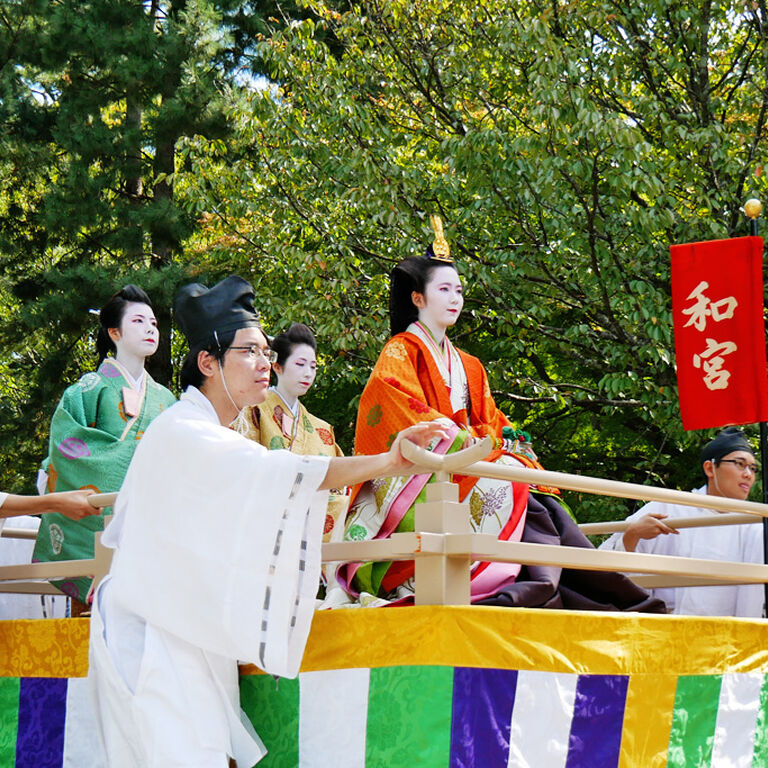
京都・時代祭とは?京...
には、長い歴史の中で受け継がれてきた、たくさんのお祭りが...
08.Oct.2026
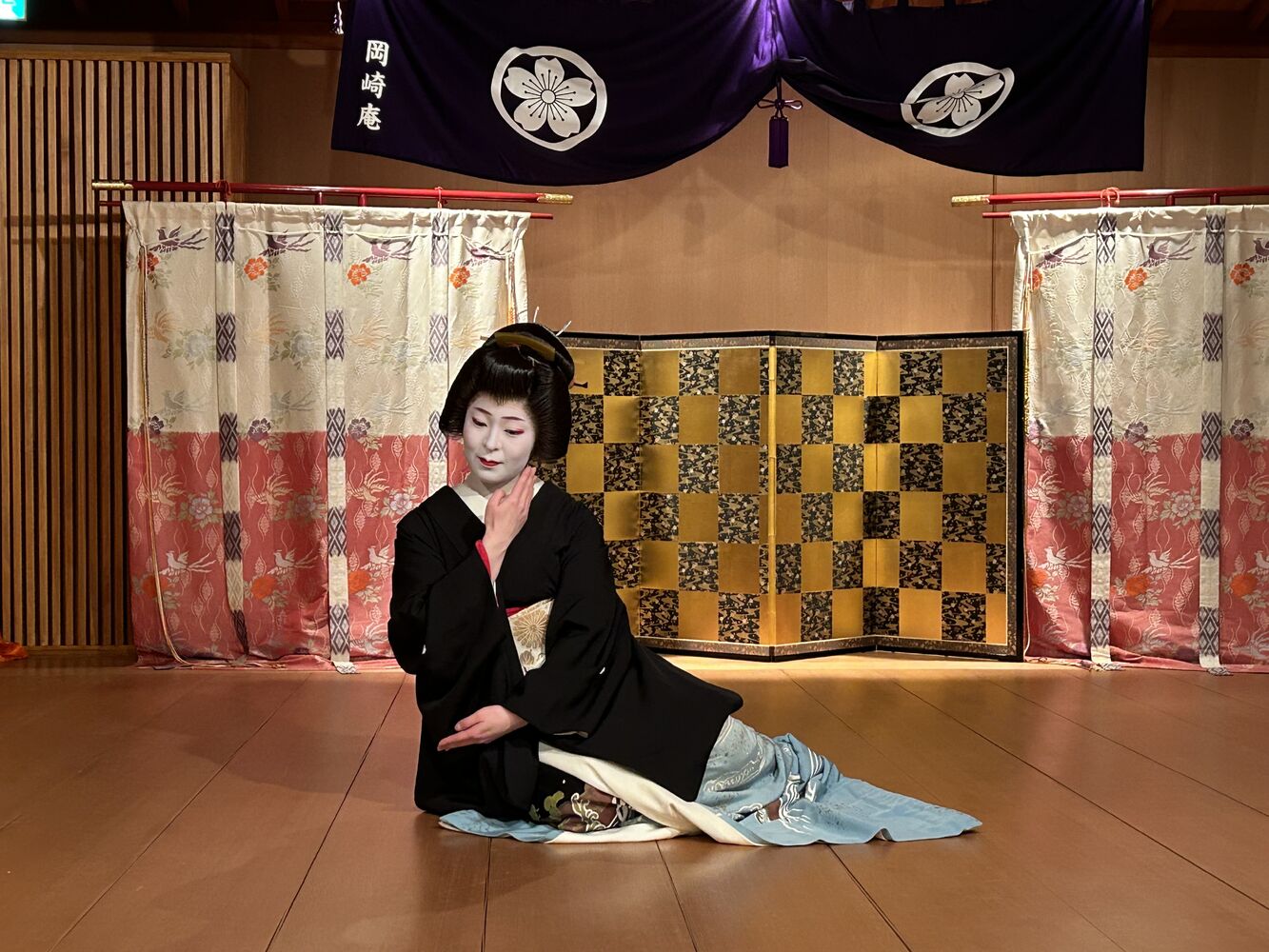
When people think of traditional Japan, many imagine the elegant figure of a Geisha.
In Kyoto, however, the terminology is slightly different.
What is commonly known around the world as a Geisha is called a Geiko (芸妓) in Kyoto. An apprentice Geiko is called a Maiko (舞妓).
These women are not simply entertainers. They are highly trained artists who preserve centuries of Japanese culture through dance, music, tea ceremony, conversation, and hospitality.
Understanding the world of Geiko and Maiko allows visitors to experience a deeper side of Kyoto’s cultural heritage.
A Maiko is an apprentice who spends several years studying traditional Japanese arts before becoming a fully qualified Geiko.
During their training, they learn classical dance, shamisen, traditional songs, tea ceremony, etiquette, and the refined hospitality that Kyoto’s hanamachi are famous for.
Maiko are recognized by their colorful kimono, long darari obi (trailing sash), seasonal hair ornaments, and traditional hairstyles.
A Geiko, on the other hand, has completed this training and performs professionally. Their appearance is more understated and elegant, reflecting years of experience and mastery.
Kyoto is home to five historic Hanamachi, or traditional Geisha districts, where this unique culture continues to flourish.
The largest and most famous Hanamachi, located around Yasaka Shrine and Hanamikoji Street. It is well known for the annual Miyako Odori performances.
Located near the Kamo River, Miyagawacho is celebrated for its elegant dance traditions and hosts the annual Kyo Odori.
A charming stone-paved district along the Kamo River, famous for its traditional restaurants, summer riverside dining, and the Kamogawa Odori.
Kyoto’s oldest Hanamachi, with a history of more than 600 years, located near Kitano Tenmangu Shrine. It is known for the annual Kitano Odori.
The smallest of Kyoto’s five Hanamachi, offering an intimate atmosphere and preserving traditional performances through the annual Gion Odori.
Each district has its own history, traditions, schools of dance, and distinctive atmosphere.
One of the most important arts practiced by Geiko and Maiko is Kyomai, or Kyoto-style classical dance.
Unlike energetic stage performances, Kyomai emphasizes graceful movements, subtle expressions, and quiet elegance.
Every gesture—from the movement of a fan to the direction of the eyes—is carefully controlled to express the beauty of Japan’s changing seasons and traditional aesthetics.
Watching Kyomai is not only entertainment; it is an opportunity to experience the Japanese appreciation for refinement, harmony, and mindfulness.
Every spring, Kyoto’s five Hanamachi present public dance performances known as Odori.
These include:
●Miyako Odori (Gion Kobu)
●Kyo Odori (Miyagawacho)
●Kamogawa Odori (Pontocho)
●Kitano Odori (Kamishichiken)
●Gion Odori (Gion Higashi)
These performances provide a rare opportunity for visitors from around the world to experience Kyoto’s traditional performing arts.
Kyoto’s culinary traditions and Hanamachi culture have developed together over many centuries.
Both share the same values: respect for the seasons, refined hospitality, attention to detail, and the spirit of ichigo ichie—treasuring every encounter as a once-in-a-lifetime moment.
These values are reflected not only in traditional performances but also in Kyoto’s finest kaiseki cuisine.
Kyoto is much more than temples and historic streets.
Its true charm lies in the living traditions that continue to be passed down from generation to generation.
By learning about Geiko, Maiko, Kyomai, and Kyoto’s Hanamachi, visitors gain a deeper understanding of the city’s unique cultural identity.
At Masumasu Masuda, we hope our guests experience not only authentic Japanese cuisine but also the rich culture that has shaped Kyoto for centuries.
Through seasonal kaiseki, thoughtful hospitality, and conversations about Japanese traditions, we invite you to discover the true spirit of Kyoto.
ますます増田
住所:京都府京都市上京区旧大宮通中立売上る庇町187−1