京都・時代祭とは?京...
には、長い歴史の中で受け継がれてきた、たくさんのお祭りが...
08.Oct.2026
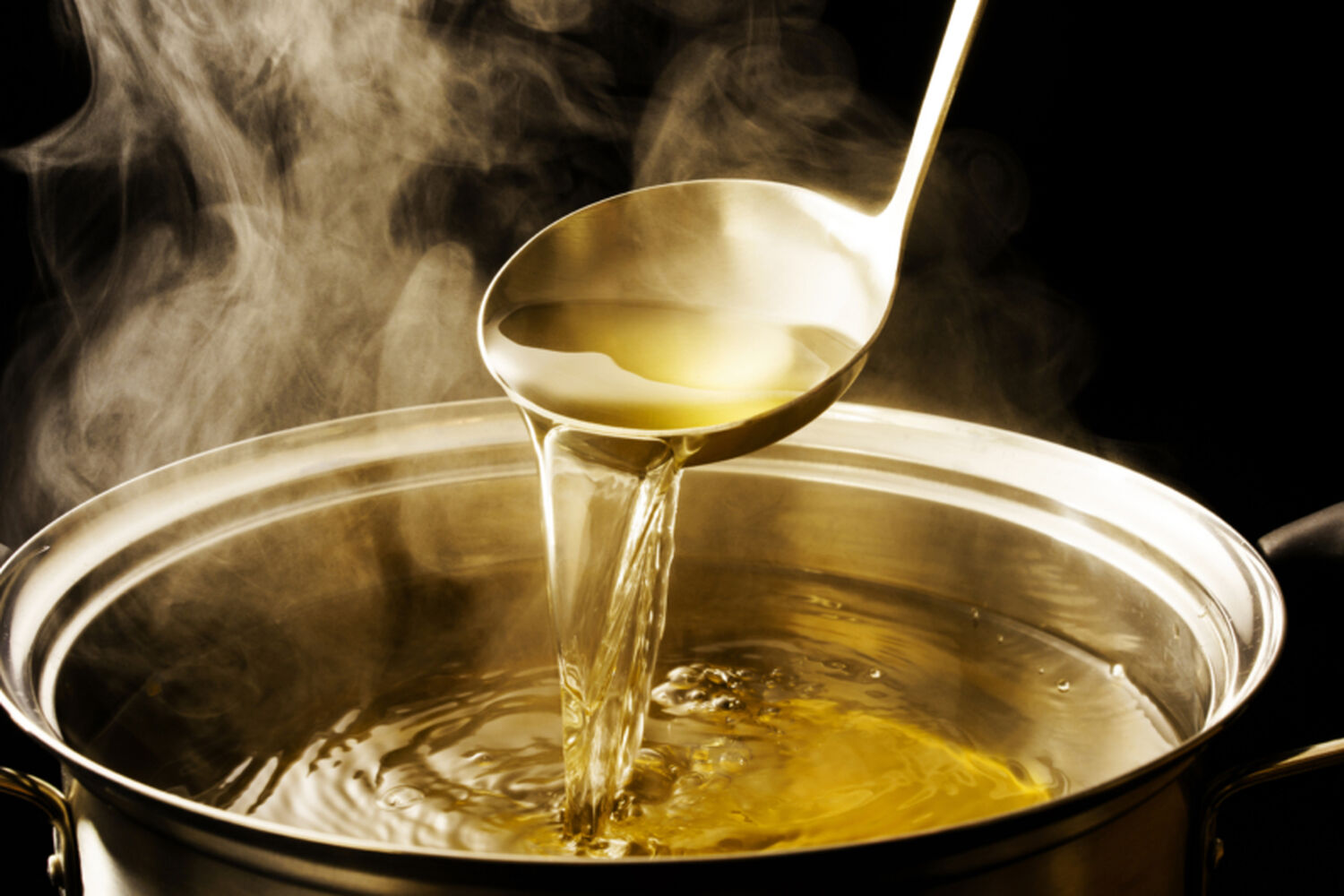
This article explores how the water used to prepare dashi, one of the foundations of Japanese cuisine, can influence its flavor and how a chef’s judgment plays an important role in creating the best dashi for each moment.
For visitors to Kyoto who want to understand Japanese cuisine more deeply, we hope this gives you a glimpse into the thought and craftsmanship behind each bowl.
The answer is yes.
In Japanese cuisine, water is far more important than it may first appear.
Even when using the finest kombu kelp or dried bonito flakes, the final character of the dashi can change depending on the water used to extract their flavors.
This is particularly important in Japanese cuisine because dashi is made primarily with water. The water itself becomes part of the finished dish.
The hardness of water can have a significant effect on dashi.
Japan is generally known for having relatively soft water, and soft water is traditionally considered well suited to Japanese cuisine.
In particular, soft water allows the delicate flavors of kombu to be extracted more easily, helping create the subtle, clean, and gentle flavor that is characteristic of Japanese dashi.
Hard water contains more minerals, and these minerals can affect the extraction process and the resulting taste and mouthfeel.
This is one reason why Japanese cuisine can sometimes taste different when prepared overseas, even when the same kombu and bonito flakes are used.
The ingredients may be the same, but the water is not.
There are many scientific discussions about dashi extraction, including water temperature, extraction time, and the relationship between temperature and flavor compounds.
Understanding these principles is extremely valuable.
However, I do not believe that excellent dashi can be created simply by following a fixed formula.
For example:
“The water has reached a boil, so cook the kombu for exactly this many minutes.”
Or:
“The water is bubbling, so the temperature must be the same as always.”
Cooking is rarely that simple.
The environment in which we prepare food is never completely identical from one day to the next.
One interesting factor is altitude.
As altitude increases, atmospheric pressure decreases. As a result, water boils at a lower temperature.
This means that water at a high altitude can begin boiling at a lower temperature than water near sea level.
Therefore, two pots of water may appear to be “boiling” in exactly the same way, while actually being at different temperatures.
This does not mean that high altitude is better or worse for making dashi.
What matters is understanding the environment and adjusting the cooking process accordingly.
Making dashi in Kyoto and making dashi in a high-altitude mountain region are not exactly the same.
The water may be different.
The atmospheric pressure may be different.
The temperature and humidity may be different.
The season may be different.
Even the condition of the ingredients may change.
For a chef, it is important not simply to reproduce the same numbers every day, but to understand these conditions and make adjustments based on them.
This is one of the reasons why experience remains so important in Japanese cuisine.
There is another important element.
The food is ultimately being prepared for human beings.
The way we experience flavor can change depending on our surroundings and physical condition.
A refreshing, balanced dish may feel especially satisfying on a hot summer day.
On a cold winter evening, a warm bowl of deeply flavored dashi may feel particularly comforting.
Even subtle changes in our environment can influence how we perceive flavor.
For this reason, I believe a chef should pay attention not only to the ingredients, but also to the environment and the people who will be enjoying the food.
When I make dashi, one of the questions I value most is:
“What kind of dashi does a person want at this particular moment, in this particular place?”
Even if I use the same kombu, the same bonito flakes, and the same water, I do not necessarily believe that the ideal dashi should taste exactly the same every day.
I consider:
I then make the adjustments necessary to create the dashi that I believe is most appropriate for that moment.
That, to me, is part of cooking.
Scientific knowledge is extremely important in Japanese cuisine.
Understanding water quality, temperature, extraction time, and the components responsible for flavor can help us create consistency and improve our techniques.
But cooking is ultimately done by people.
There are things that cannot always be expressed through numbers alone:
The aroma of the dashi.
The condition of the ingredients.
The subtle changes in flavor.
The atmosphere of the day.
And the way the food feels when it is tasted.
I believe that a chef’s role is to combine scientific knowledge with experience and the five senses.
Dashi is rarely the most visually noticeable element of a dish.
Yet it can determine what you experience when you take the first sip of a clear soup.
It can bring out the natural flavor of vegetables.
It can deepen the taste of fish and other ingredients.
And it can leave a delicate, lingering finish after the dish has been enjoyed.
That is why I consider dashi one of the foundations of Japanese cuisine—and one of the places where a chef’s philosophy can be most clearly expressed.
At Masumasu Masuda in Nishijin, Kyoto, we carefully consider the season, the ingredients, the environment, and the moment when each dish is served.
Creating delicious Japanese cuisine begins not only with asking,
“What ingredients should we use?”
but also:
“What kind of water should we use, how should we extract the dashi, and what does this particular moment call for?”
For me, that attention to the unseen details is an essential part of Japanese cooking.
ますます増田
住所:京都府京都市上京区旧大宮通中立売上る庇町187−1