🥟🍺西陣オクトーバーフ...
🥟🍺西陣オクトーバーフェスト 🍺🥟
10月24日(土)・25日(日)...
19.Oct.2026
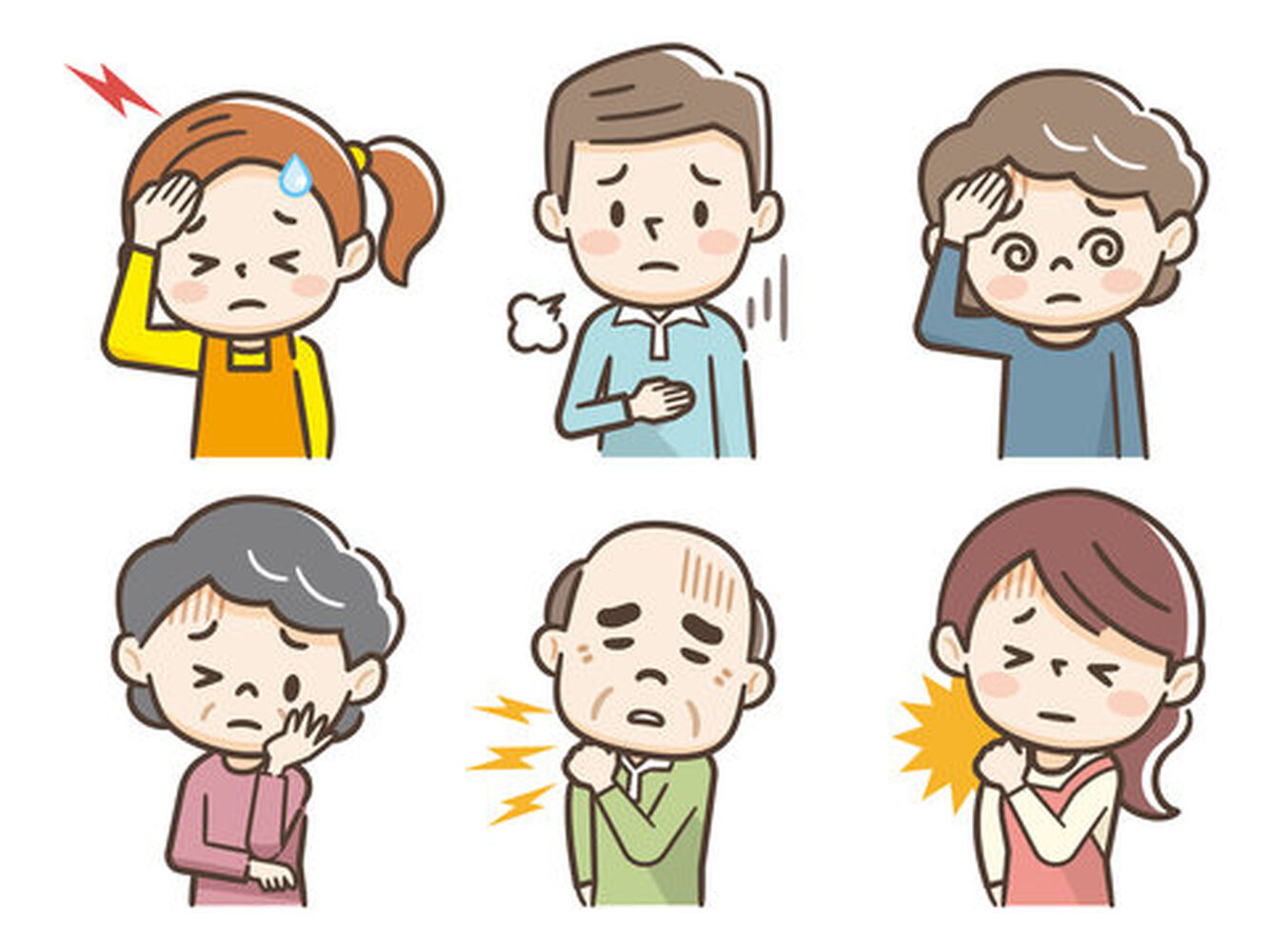
Have you ever noticed that when a typhoon approaches, you suddenly feel different?
Perhaps your body feels unusually heavy.
Maybe you feel sleepier or more tired than usual.
Or perhaps you simply feel like you have less energy.
In Japan, some people experience these kinds of sensations when the weather changes significantly.
At Masumasu Masuda, our Japanese restaurant in Nishijin, Kyoto, we are also constantly aware of the changing weather and seasons as we prepare our cuisine.
Japanese cuisine is not simply about eating seasonal ingredients.
It is a food culture deeply connected to nature, the seasons, climate, and the changing environment around us.
In this article, we explore why some people may feel tired when a typhoon approaches and how seasonal Japanese cuisine can be enjoyed in harmony with the changing seasons.
目次
When a typhoon approaches, atmospheric pressure can change significantly.
Some people are sensitive to changes in atmospheric pressure and may experience sensations such as a heavy feeling in the head, sleepiness, fatigue, or general discomfort.
However, these reactions vary from person to person, and it would be inaccurate to say that atmospheric pressure alone causes fatigue.
During typhoon season, several environmental factors can change at the same time, including:
In other words, when you think,
“Why do I feel so tired today?”
the changing weather may be one possible factor among several.
In Japan, typhoons are particularly common from summer through early autumn.
Kyoto’s summers can be especially hot and humid.
Our bodies regulate temperature partly through sweating, but when humidity is high, sweat does not evaporate as easily. This can make the body feel uncomfortable and may contribute to fatigue.
When a typhoon approaches, rain, wind, temperature, humidity, and atmospheric pressure may all change over a relatively short period.
If you tend to feel unwell when a typhoon approaches, it may therefore be helpful to consider not only atmospheric pressure but also your sleep, hydration, temperature, humidity, and overall condition.
One of the greatest characteristics of Japanese cuisine is its close relationship with the seasons.
Spring has its own ingredients.
Summer has its own ingredients.
Autumn brings its own flavors.
Winter offers ingredients and dishes particularly suited to the colder months.
But seasonality in Japanese cuisine goes far beyond ingredients.
It can also be expressed through:
A dish may make you feel the season before you even taste it.
You might look at a dish and think:
“It feels like summer.”
Or:
“Autumn must be approaching.”
This ability to experience the changing seasons through food is one of the pleasures of Japanese cuisine.
One of the most important concepts in Japanese cuisine is shun, the season when an ingredient is considered to be at its best.
As the seasons change, so do the ingredients available from the sea, mountains, fields, and farms.
Even the same ingredient can change throughout the year, with differences in richness, moisture, aroma, texture, and flavor.
For this reason, Japanese chefs carefully observe seasonal ingredients and consider how best to prepare them.
It is not simply a matter of saying:
“This ingredient is in season, so we will serve it.”
A chef also considers the actual condition of the ingredient on that particular day.
How should it be cut?
Should it be grilled, simmered, steamed, or served raw?
What kind of dashi will complement it?
What other seasonal ingredients should accompany it?
This constant observation is part of the craft of Japanese cuisine.
Kyoto has a particularly rich culinary culture built around the changing seasons.
In Kyoto’s traditional Japanese cuisine, seasonality can be expressed not only through the food itself but also through tableware, presentation, garnishes, and the setting.
During summer, dishes may be presented in ways that evoke a sense of coolness.
In autumn, ingredients and presentations may reflect the mountains and the changing colors of nature.
In winter, warm dishes can provide a sense of comfort.
And in spring, delicate ingredients can express the arrival of a new season.
When visiting Kyoto, you can therefore experience the seasons not only by visiting temples and gardens, but also through the dining table.
If you feel tired on a rainy day or when a typhoon approaches, it is also important not to push yourself unnecessarily.
Getting enough sleep.
Staying hydrated.
Keeping your surroundings comfortable.
And eating appropriately for your condition.
These simple things can be important ways of taking care of yourself.
Perhaps caring for your body does not always require something special.
Sometimes it simply means noticing that your body feels different and giving yourself permission to slow down.
Of course, if symptoms are severe, persistent, or unusual for you, it is important not to simply blame the weather and should consider consulting a medical professional.
There is an interesting connection between changing weather and Japanese cuisine.
As the weather changes, the ingredients change.
As the ingredients change, the dishes change.
Summer has its own cuisine.
Autumn has its own cuisine.
Winter has its own cuisine.
Spring has its own cuisine.
Rather than trying to make every day taste the same, traditional Japanese cuisine has embraced the changing natural environment and incorporated it into the food.
This is one reason a monthly changing omakase course can be so fascinating.
Visit the same restaurant in a different season, and the experience can be completely different.
At Masumasu Masuda, we prepare a monthly changing omakase course in a traditional Kyoto machiya in Nishijin.
We use seasonal ingredients from Kyoto, as well as ingredients from the chef’s hometown of Nikko in Tochigi and carefully selected ingredients from other regions throughout Japan.
We do not focus only on the food itself.
We also consider the tableware, presentation, aromas, combinations of ingredients, and the atmosphere of our Kyoto machiya.
Our goal is to create a dining experience in which guests can feel something about the season they are visiting Kyoto in.
When a typhoon approaches, it is important to prioritize safety and avoid unnecessary travel when conditions are dangerous.
But when the weather is safe, there can also be something comforting about slowing down and enjoying a meal at a relaxed pace.
The aroma of freshly prepared dashi.
Seasonal vegetables.
Fish at its seasonal best.
Freshly cooked rice.
Beautiful tableware.
And conversation with someone important to you.
These are things that can easily be overlooked during a busy day.
Japanese cuisine also has this aspect: the meal itself becomes a time to slow down and appreciate the moment.
When visiting Kyoto, many travelers naturally plan their trips around famous temples, shrines, gardens, and historic streets.
These are wonderful ways to experience Kyoto.
But there is another way to understand the city:
through its food.
Spring in Kyoto tastes different from summer.
Autumn tastes different from winter.
Even if you visit the same places, the scenery, atmosphere, ingredients, and cuisine will change with the seasons.
Experiencing seasonal Japanese cuisine can therefore be another way of experiencing Japanese culture.
A typhoon is one of nature’s more dramatic changes.
Rain arrives.
Winds become stronger.
Atmospheric pressure changes.
Temperature and humidity can shift.
And once the storm passes, the seasons continue to move forward.
Summer gradually gives way to autumn.
Autumn becomes winter.
Winter becomes spring.
Japanese cuisine has traditionally embraced these changes rather than trying to resist them.
Ingredients that are available only for a short time.
Tableware that suits a particular season.
Dishes that feel right at a particular time of year.
Each can become a way of appreciating the passage of time.
At Masumasu Masuda, we serve seasonal Japanese cuisine and Kyoto hospitality from our machiya in Nishijin.
During typhoon season, on rainy days, in the heat of summer, or as autumn begins to arrive, the cuisine continues to change with the seasons.
We carefully select ingredients according to their condition and season, then prepare each dish to bring out their individual character.
If you are visiting Kyoto, why not take some time away from sightseeing and experience the season through a leisurely Japanese meal?
To taste the season while enjoying a meal is one of the quiet pleasures that Japanese cuisine has cherished for generations.
At Masumasu Masuda in Nishijin, we hope you will experience the changing seasons of Kyoto through our monthly changing omakase cuisine.
ますます増田
住所:京都府京都市上京区旧大宮通中立売上る庇町187−1