🥟🍺西陣オクトーバーフ...
🥟🍺西陣オクトーバーフェスト 🍺🥟
10月24日(土)・25日(日)...
19.Oct.2026
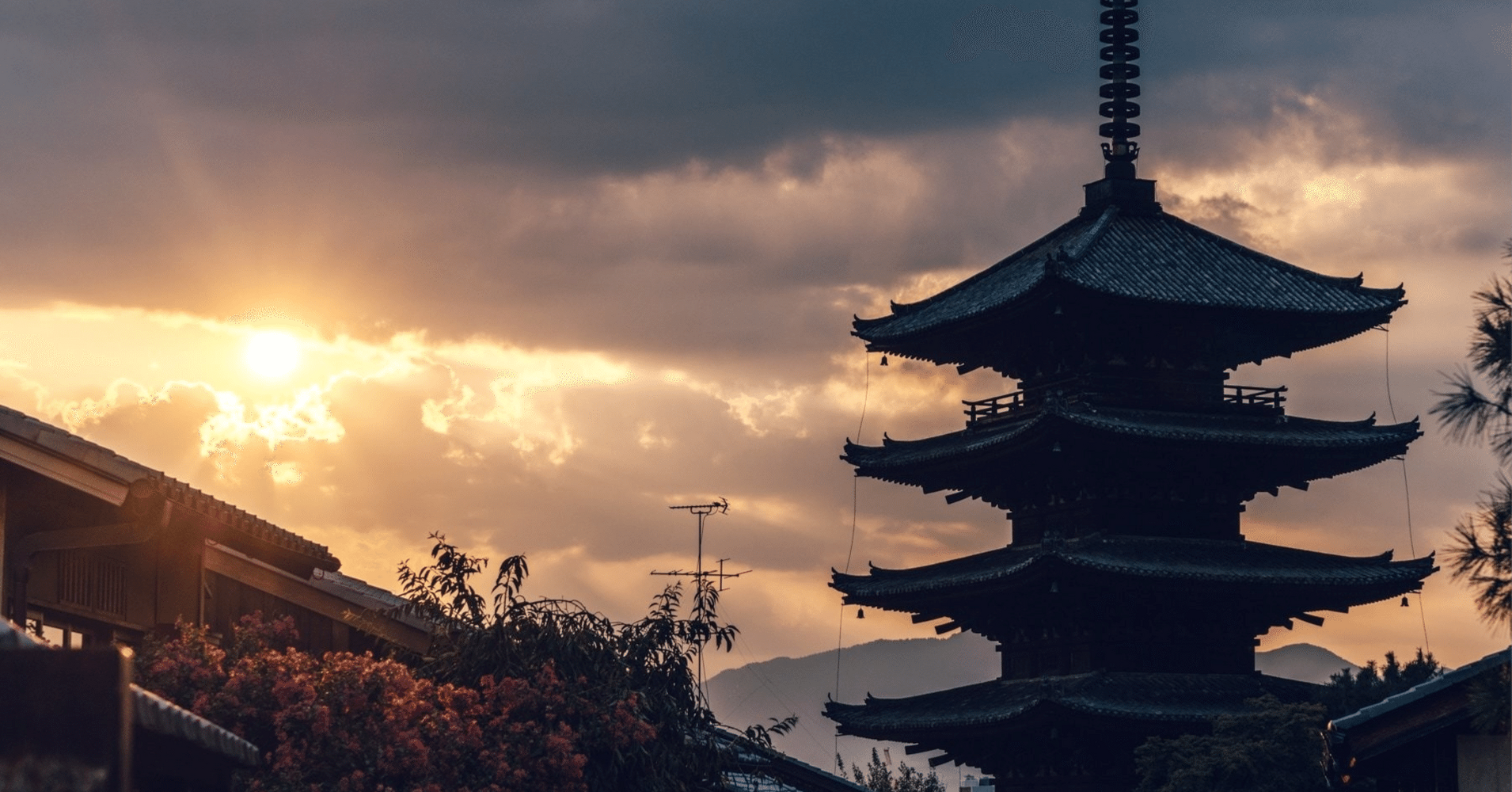
September in Kyoto is a particularly fascinating time of year.
According to the traditional Japanese calendar, autumn has already begun, yet Kyoto can still be quite warm.
At the same time, subtle signs of autumn begin to appear.
The mornings and evenings gradually become cooler, the days become shorter, and the ingredients appearing in Kyoto’s markets slowly begin to change.
In Japanese cuisine, even these small changes are considered part of the season.
September is therefore a wonderful time to experience Kyoto between two seasons—the lingering warmth of summer and the beginning of autumn.
目次
Kyoto can still feel quite hot in September.
If you visit expecting the cool temperatures of autumn, you may be surprised.
But even during the lingering heat, the season is changing.
The light begins to change.
The evenings gradually become longer.
And the ingredients available in the markets begin to shift.
Japanese cuisine pays close attention to these subtle transitions.
Rather than suddenly changing from summer dishes to autumn dishes on September 1, chefs gradually introduce autumn ingredients while still making use of the final flavors of summer.
This transition is one of the most interesting aspects of September cuisine.
One of the most important seasonal traditions in September is Choyo no Sekku, the Chrysanthemum Festival, celebrated on September 9.
It is one of Japan’s traditional Five Seasonal Festivals and is also known as the Festival of Chrysanthemums.
Chrysanthemums have long been associated with longevity and good health in Japanese culture.
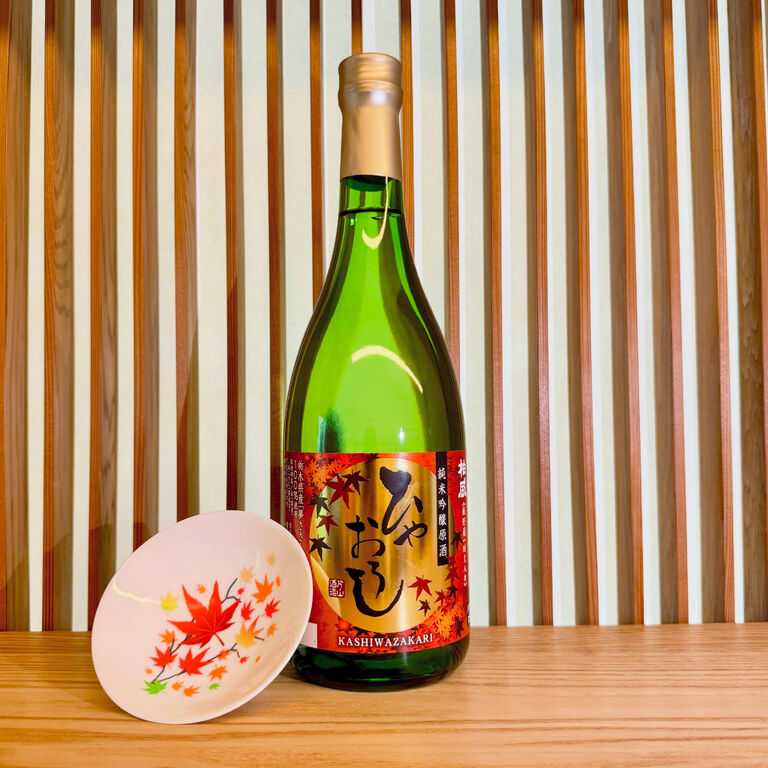
One traditional custom is kikuzake, or drinking sake with chrysanthemum petals or flowers.
Other customs include enjoying the fragrance of chrysanthemums and traditional practices associated with wishing for health and longevity.
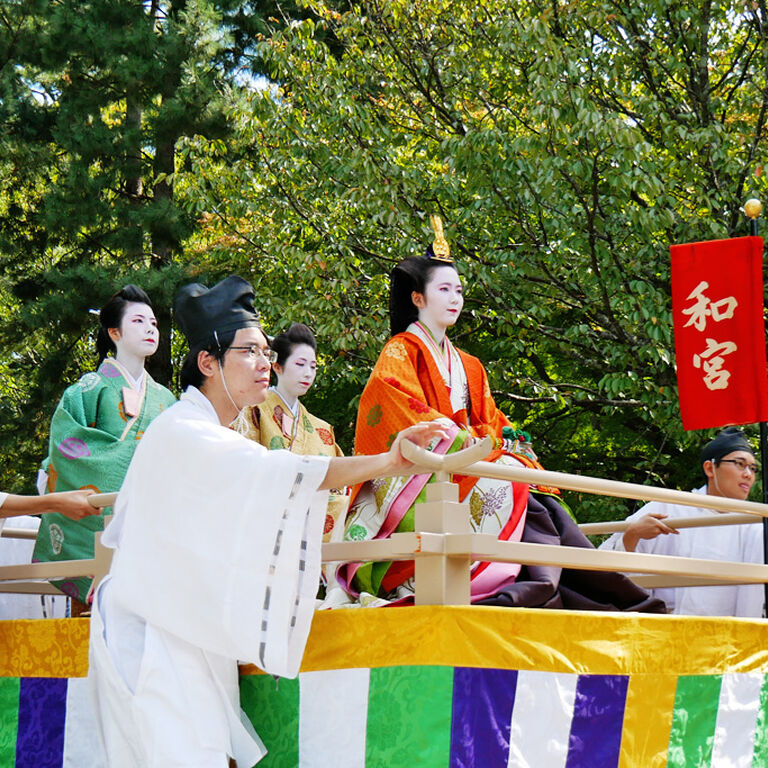
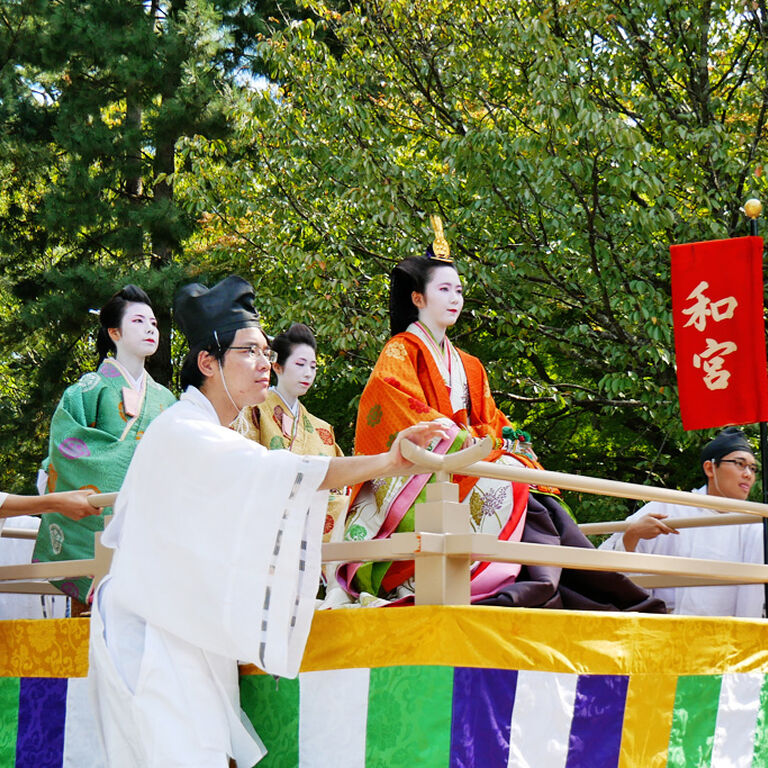
In Kyoto, several traditional events connected with Choyo no Sekku take place around September 9.
Experiencing one of these ceremonies can offer a very different perspective on Kyoto from simply visiting its famous temples and tourist attractions.
Around September 9, Kyoto hosts several events connected with the Chrysanthemum Festival.
These include traditional ceremonies at places such as:
These events reflect how deeply the Japanese seasonal calendar is connected with religion, food, nature, and everyday life.
If you are visiting Kyoto in September, checking the local calendar for seasonal events can make your trip much more meaningful.
If you are visiting Kyoto in September, we also recommend taking some time to explore Nishijin.
Nishijin is one of Kyoto’s historic neighborhoods and is particularly famous for its connection to traditional textile culture.
For centuries, craftspeople and merchants lived and worked here, creating the famous Nishijin textiles.
Even today, traditional Machiya townhouses and quiet streets remain throughout the neighborhood.
It offers a different atmosphere from some of Kyoto’s busiest tourist destinations.
Rather than simply moving from one famous sightseeing spot to another, walking through Nishijin allows you to experience a quieter, more everyday side of Kyoto.
Another place worth visiting around Nishijin is Kitano Tenmangu Shrine.
In September 2026, a special nighttime illumination and seasonal opening are scheduled from September 12 through September 23.
The event includes special access to the Fuugetsuden and Fuugetsu Garden, as well as opportunities to experience the shrine in the evening.
The atmosphere of Kyoto after sunset can feel very different from the daytime.
After visiting Kitano Tenmangu, you could take a leisurely walk through Nishijin before enjoying a seasonal Japanese dinner.
This is one of the ways we recommend experiencing Kyoto in September.
September is also a fascinating month for Japanese cuisine.
The final ingredients of summer are still available, while autumn ingredients gradually begin to appear.
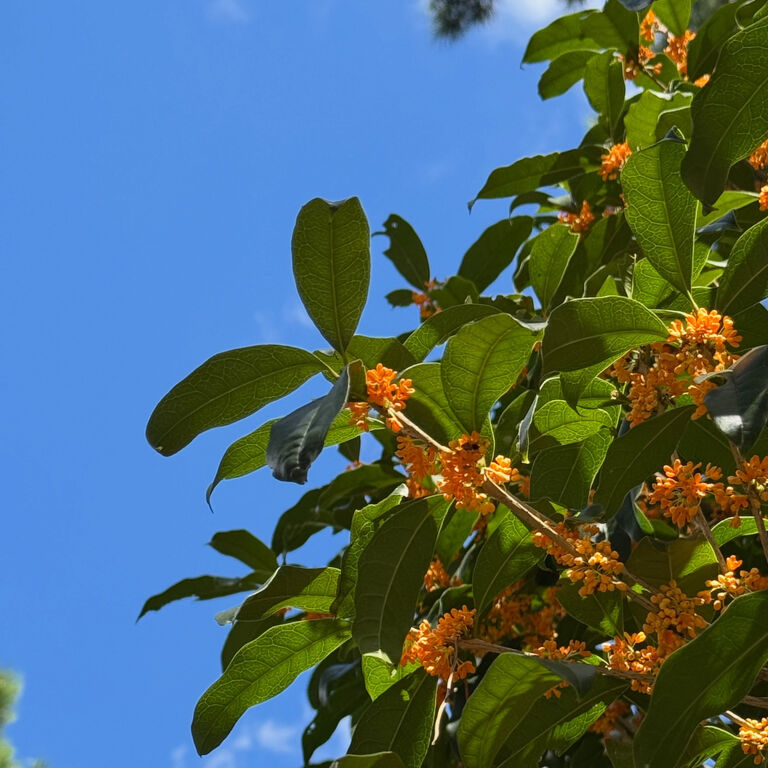
Depending on the year and weather, you may begin to encounter ingredients such as:
But Japanese cuisine does not simply switch from “summer” to “autumn” according to the calendar.
The chef looks at the weather.
The condition of the ingredients.
The market.
And, most importantly, what is actually at its best at that particular moment.
This is why September can be such an interesting month for Japanese cuisine.
In Japanese cuisine, shun, or seasonal peak, is extremely important.
However, shun is not determined by the calendar alone.
The same ingredient can behave differently depending on the weather that year.
If summer remains unusually hot, autumn ingredients may arrive later.
If temperatures begin to fall earlier, the character of those ingredients may change sooner.
For this reason, at Masumasu Masuda, we do not simply repeat the same menu every September.
Our monthly omakase is created by looking at the ingredients available at that particular time and considering how they should be prepared.
At Masumasu Masuda, our omakase menu changes every month according to the season.
September is a particularly interesting month because it lies directly between summer and autumn.
The final flavors of summer can still be enjoyed.
At the same time, the first aromas and ingredients of autumn begin to appear.
We bring these elements together throughout the course.
Not only the ingredients, but also the tableware, presentation, aromas, temperatures, and overall progression of the meal are considered as part of expressing the season.
One of the most fascinating aspects of Japanese cuisine is that it allows you to experience the passage of time through food.
You may think:
“Summer is still here.”
And then notice a subtle autumn ingredient on the same plate.
A cool dish may express the lingering heat of summer.
Another ingredient may introduce the first feeling of autumn.
Rather than making a dramatic transition, Japanese cuisine often expresses the season gradually.
September is a perfect example of this philosophy.
Many visitors to Kyoto create very full itineraries, visiting temples and shrines from morning until evening.
Of course, sightseeing is an important part of traveling.
But we also believe that taking time to slow down can make a Kyoto journey more memorable.
Sit down.
Enjoy a seasonal meal.
Learn about the ingredients and Japanese culinary culture.
Have a conversation with the chef and proprietress.
Look into the small garden.
And simply allow yourself to enjoy the passing of time.
That can also be part of experiencing Kyoto.
Masumasu Masuda is located inside a more than 100-year-old Kyoto Machiya in Nishijin.
The restaurant is surrounded by traditional townhouses and quiet historic streets.
Inside, guests can enjoy a seasonal omakase while looking toward our small courtyard garden.
The carefully maintained moss, aged stones, and old wood create a quiet atmosphere that changes with the seasons.
In September, this traditional space provides a particularly beautiful contrast to the lingering warmth outside.
The final feeling of summer.
The beginning of autumn.
And the atmosphere of an old Kyoto Machiya.
September in Kyoto offers much more than sightseeing.
It offers the opportunity to experience a traditional seasonal culture.
The Chrysanthemum Festival.
Historic neighborhoods.
Traditional shrines.
The changing atmosphere of the city.
And the gradual transition from summer ingredients to autumn flavors.
When you visit Kyoto, we encourage you not only to see the city, but also to taste its seasons.
At Masumasu Masuda in Nishijin, we select ingredients according to the season and create a new omakase menu each month.
We combine seasonal ingredients from Kyoto and throughout Japan with ingredients connected to the chef’s hometown of Tochigi.
These ingredients are prepared using Japanese culinary techniques developed through the chef’s years of training in Kyoto.
In September, we embrace the transition between summer and autumn.
The lingering flavors of summer.
The first expressions of autumn.
And the subtle changes that can only be experienced during this time of year.
We hope you will discover these seasonal changes through our cuisine.
Walk through Kyoto.
Visit its shrines and historic neighborhoods.
Discover its seasonal traditions.
And then sit down and enjoy the flavors of the season.
At Masumasu Masuda, we hope to offer you more than a meal.
We want to share the season, the culture, the ingredients, and the hospitality that make Kyoto special.
**Summer is fading.
Autumn is beginning.
And September is the moment when you can experience both.**
We look forward to welcoming you to Masumasu Masuda in Kyoto’s Nishijin this September.
ますます増田
住所:京都府京都市上京区旧大宮通中立売上る庇町187−1