🥟🍺西陣オクトーバーフ...
🥟🍺西陣オクトーバーフェスト 🍺🥟
10月24日(土)・25日(日)...
19.Oct.2026
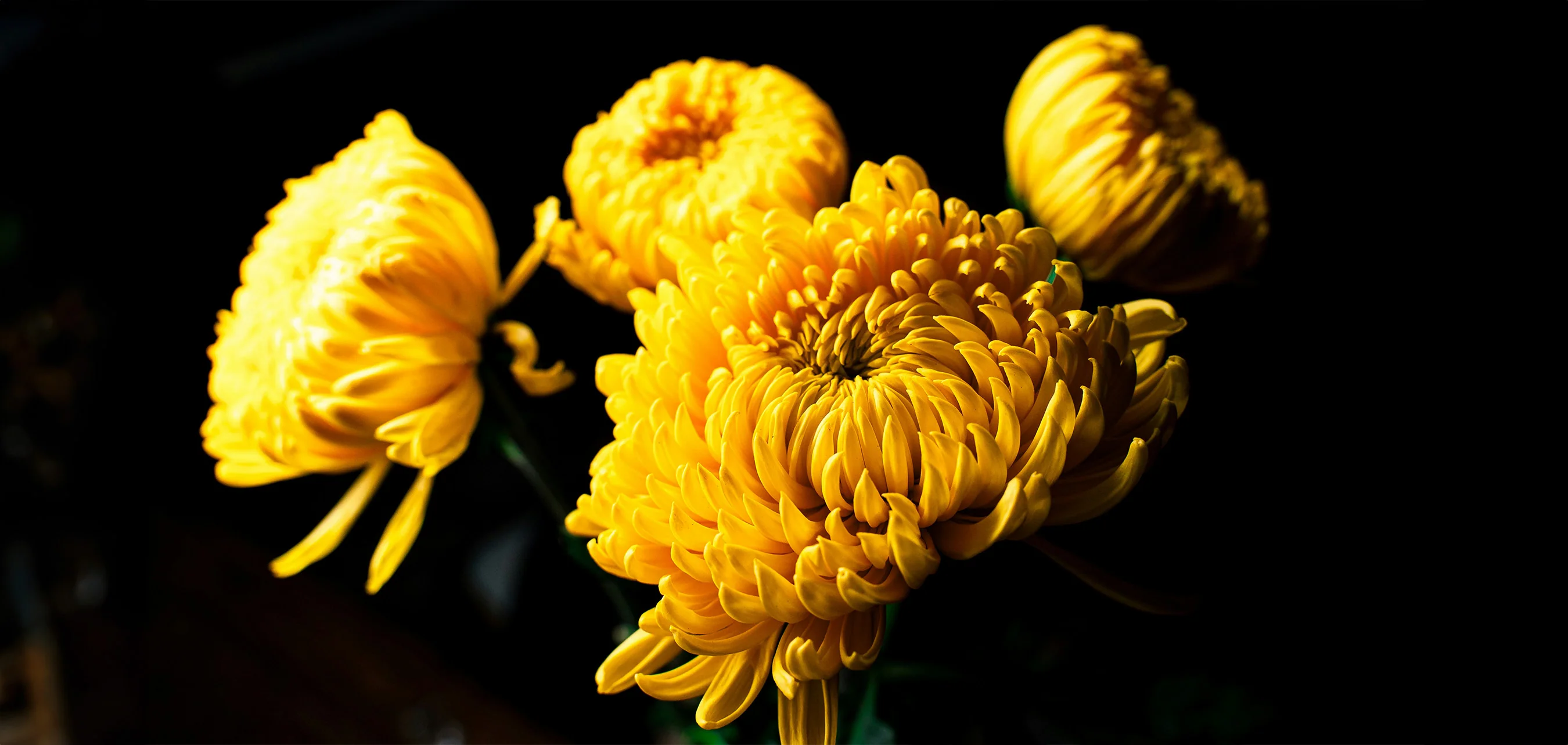
A Traditional Celebration of Autumn, Longevity, and the Beauty of Chrysanthemums
September 9 is Choyo no Sekku, one of Japan’s five traditional seasonal festivals.
It is also known as the Chrysanthemum Festival, or Kiku no Sekku, because chrysanthemums have long been associated with longevity, health, and the beauty of autumn.
While festivals such as Hinamatsuri, Children’s Day, and Tanabata are still widely known today, Choyo no Sekku is less familiar to many people, even in Japan.
Yet it is an important part of Japan’s traditional seasonal culture.
In Kyoto, where the changing seasons have long influenced cuisine, crafts, gardens, tea culture, and traditional ceremonies, the spirit of Choyo no Sekku can also be found in Japanese cuisine.
At Masumasu Masuda, a Japanese restaurant in Nishijin, Kyoto, we believe that understanding these traditions can make a seasonal meal even more meaningful.
目次
Choyo no Sekku is celebrated every year on September 9.
Japan traditionally recognizes five important seasonal festivals, known as Gosekku:
The word Choyo means “double yang.”
In the ancient Chinese philosophy of yin and yang, odd numbers were considered to have yang energy.
The number nine was regarded as the highest of these yang numbers, so September 9 was considered a particularly powerful day.
People therefore developed customs to ward off misfortune and pray for good health and longevity.
Over time, these traditions became closely associated with chrysanthemums.
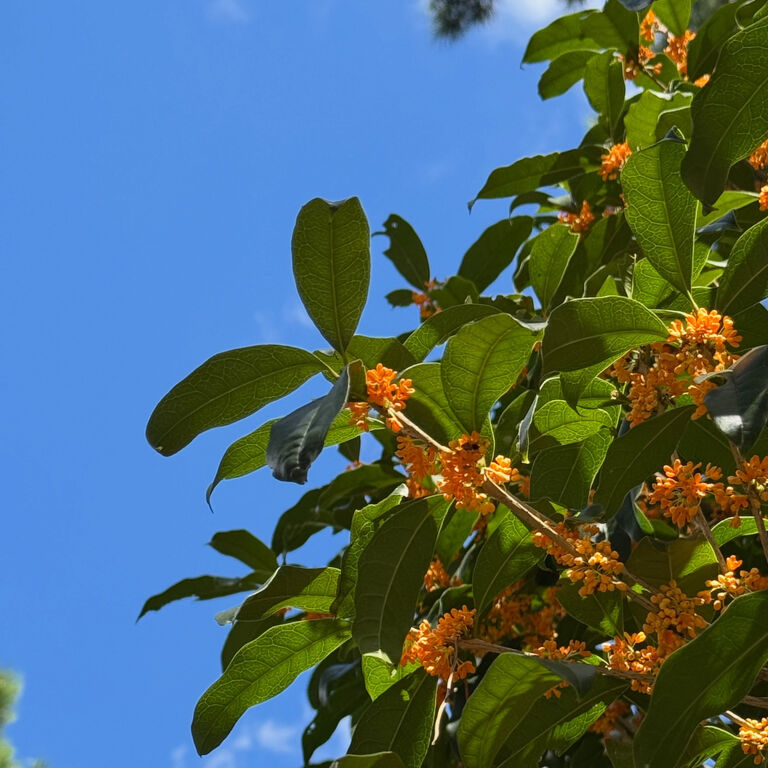
The chrysanthemum has long been regarded in Japan as a symbol of longevity and good health.
It is also one of the flowers most closely associated with autumn.
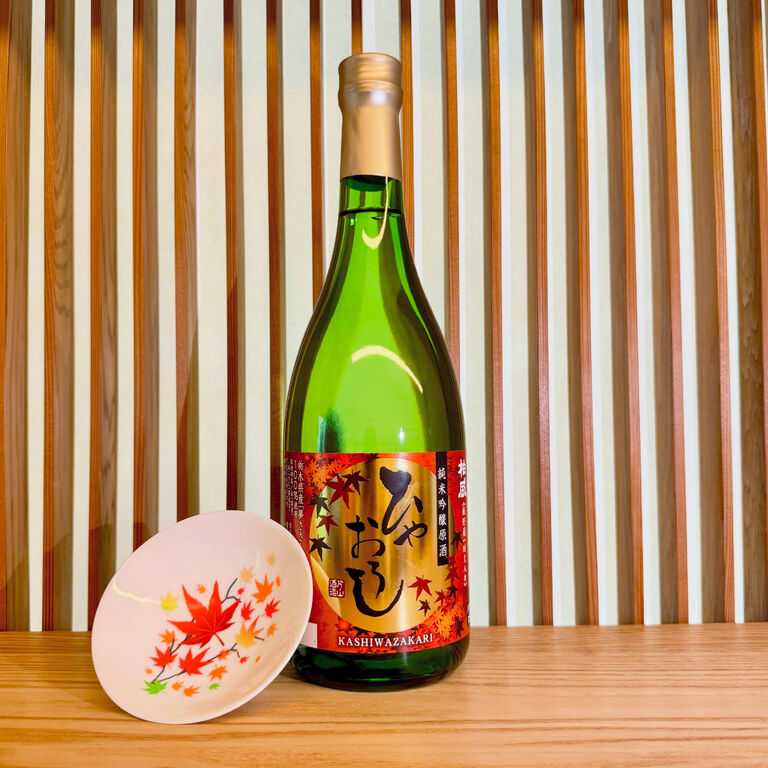
During Choyo no Sekku, chrysanthemums may be displayed and admired, and one traditional custom is to enjoy Kikuzake, or sake infused with chrysanthemum.
The fragrance of the flower is enjoyed while drinking sake and wishing for health and a long life.
This is a beautiful example of how Japanese culture brings nature and seasonal symbolism into everyday life.
Rather than simply looking at a flower, people found a way to experience the season through food and drink.
Kyoto has preserved many traditions connected to the five seasonal festivals.
Shrines and temples hold ceremonies and events related to chrysanthemums and the changing seasons, while Kyoto’s traditional performing arts and culinary culture also incorporate seasonal customs.
In Japanese cuisine, the meaning of a particular season can be expressed through much more than ingredients.
It can appear in:
A chef does not simply think, “It is September, so I will use autumn ingredients.”
The condition of the ingredients, the weather, the atmosphere, and the feeling of the season all influence the final dish.
This sensitivity to the moment is an important part of Japanese culinary culture.
Choyo no Sekku is traditionally associated with chrysanthemums, but the foods enjoyed around this time also reflect the arrival of autumn.
Chrysanthemum petals may be used in dishes or served as a seasonal accent.
Chrysanthemum sake may also be enjoyed.
Depending on the region and household, different seasonal foods have been associated with the festival.
Autumn ingredients such as chestnuts and seasonal vegetables can also become part of the table.
In Japanese cuisine, even a small detail can carry meaning.
A few chrysanthemum petals placed on a dish.
A seasonal vegetable.
A particular color of tableware.
A flower arranged beside the meal.
These details can quietly communicate:
“It is this season.”
Seasonal festivals and Japanese cuisine have always been closely connected.
Traditional Japanese cooking is not simply about preparing delicious food.
It also allows us to express the season, celebrate an occasion, and communicate a sense of time.
A dish may reflect:
When a guest asks,
“What is this flower?”
and we can explain,
“It is chrysanthemum. Today is Choyo no Sekku, when chrysanthemums are associated with wishes for health and longevity,”
the same dish can suddenly have a deeper meaning.
Food can tell a story.
And understanding that story can make the experience of eating Japanese cuisine even more memorable.
At Masumasu Masuda, we create a new monthly omakase menu according to the season.
Each month, we select ingredients that are at their best and build the menu from the beginning.
Of course, the most important thing is that the food is delicious.
But we also want our guests to understand the story behind what they are eating.
For example:
Why is this ingredient used at this time of year?
Why was this cooking method developed?
Why was this particular vessel chosen?
What season are we trying to express through this dish?
These questions are part of what makes Japanese cuisine fascinating.
Choyo no Sekku is one example of the many traditions that can be discovered through food.
Japan has a long tradition of experiencing the changing seasons through all five senses.
Cherry blossoms in spring.
Ayu and hamo in summer.
Chestnuts and mushrooms in autumn.
Crab and winter vegetables in winter.
And chrysanthemums in September.
Seasonal ingredients are not simply ingredients.
They tell us where we are in the cycle of the year.
This is one of the reasons Japanese cuisine can feel so closely connected to nature.
You do not simply eat the food.
You experience the season.
Even in Kyoto, September can still be quite warm.
But little by little, signs of autumn begin to appear.
The evenings become slightly cooler.
The light changes.
The wind begins to feel different.
Autumn ingredients begin appearing in markets.
And chrysanthemums begin to bloom.
Choyo no Sekku offers an opportunity to pause and notice these small changes.
You do not need to participate in a formal ceremony.
Simply appreciating a chrysanthemum, enjoying seasonal food, or learning the story behind an old Japanese tradition can be a way of experiencing the spirit of the festival.
Masumasu Masuda is located in a traditional Kyoto Machiya more than 100 years old in Nishijin.
Our monthly omakase menus are created around the ingredients and atmosphere of each season.
We source seasonal ingredients from Kyoto and from throughout Japan, then consider not only flavor but also the temperature, texture, aroma, tableware, presentation, and progression of the entire meal.
We also enjoy explaining the cultural background behind Japanese cuisine to our guests.
For us, a meal should not end with simply saying,
“That was delicious.”
We hope our guests will also leave thinking,
“Now I understand why this dish was prepared this way.”
That is one of the ways we hope to share Japanese food culture with guests from both Japan and around the world.
Around September 9, summer has not completely disappeared from Kyoto.
The heat may still remain, while autumn is slowly beginning to arrive.
Japanese cuisine embraces this transition.
The lingering flavors of summer can meet the first ingredients of autumn.
The colors of the table can gradually change.
The dishes can become deeper and warmer.
This subtle transition is one of the great pleasures of Japanese cuisine.
Choyo no Sekku reminds us to appreciate chrysanthemums, wish for health and longevity, and notice the changing season.
At Masumasu Masuda, we hope to express that same sensitivity through our cuisine.
When you visit Kyoto, we invite you not only to taste seasonal Japanese food, but also to discover the stories, traditions, and seasonal beauty behind it.
**In Japanese cuisine, the season is not simply something we see.
It is something we taste, feel, and share.**
ますます増田
住所:京都府京都市上京区旧大宮通中立売上る庇町187−1