🥟🍺西陣オクトーバーフ...
🥟🍺西陣オクトーバーフェスト 🍺🥟
10月24日(土)・25日(日)...
19.Oct.2026
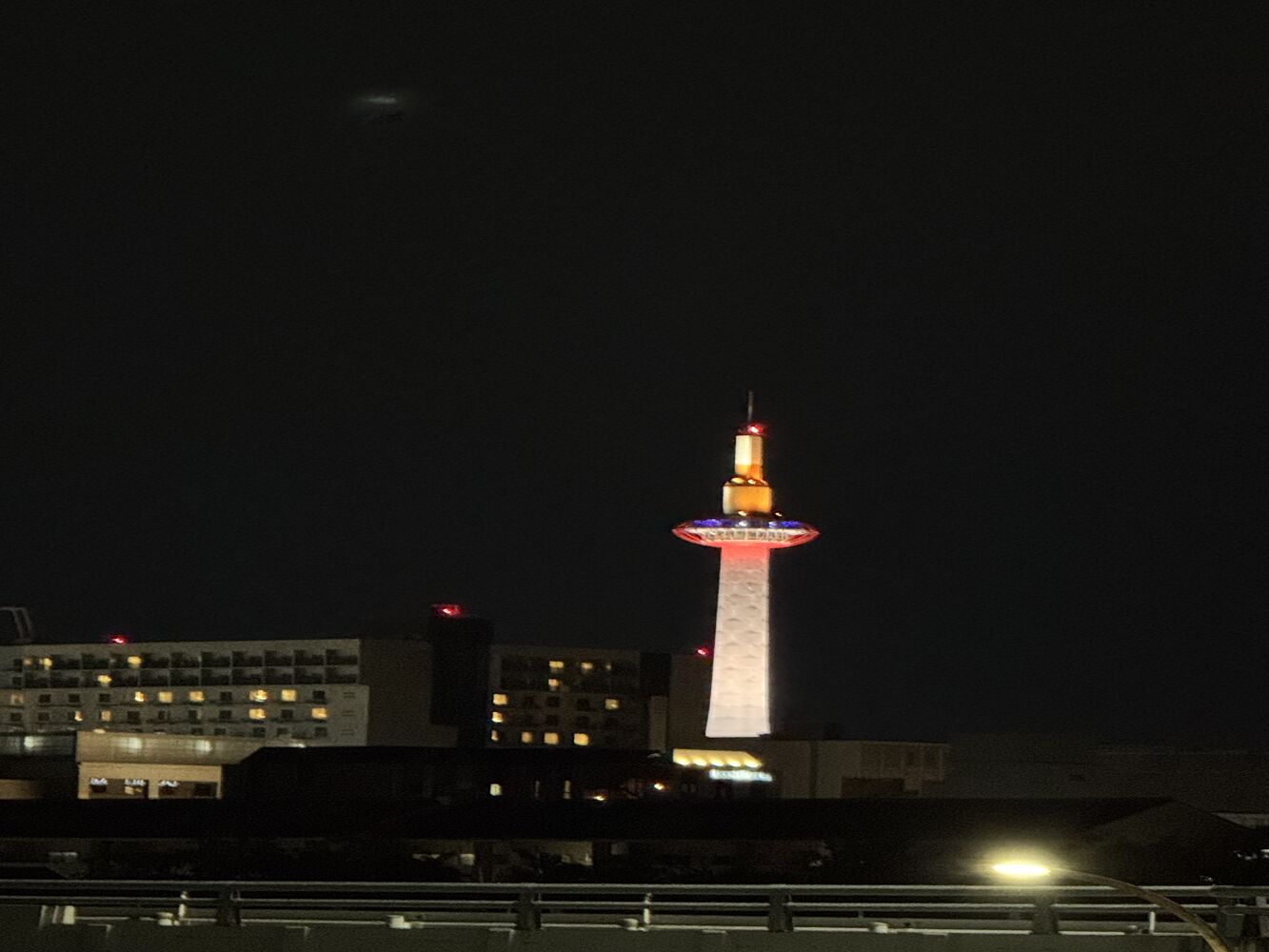
When you visit Kyoto, you will encounter many aspects of Japanese culture: historic temples and shrines such as Kiyomizu-dera, Kinkaku-ji, and Fushimi Inari Taisha, the traditional streets of Gion, and the elegant figures of Maiko and Geiko.
But Kyoto has many cultural traditions that cannot be fully understood simply by visiting its famous tourist attractions.
The architecture of machiya townhouses.
The culture of Kyoto’s geisha districts.
Nishijin textiles.
The Gozan Okuribi bonfire tradition.
Kyoto’s white miso.
Dashi.
The Japanese appreciation of seasonal ingredients.
Traditional seasonal events.
And the spirit of hospitality.
Knowing a little about these traditions before exploring Kyoto can change the way you see the city. Places and customs that might otherwise seem ordinary may suddenly reveal a much deeper story.
I spent 14 years in Kyoto’s Gion Kobu district, first as a Maiko and later as a Geiko.
Today, I run the Japanese restaurant Masumasu Masuda together with my husband, the chef, in Kyoto’s Nishijin area, near Imadegawa.
Over the years, I have learned much from the world of the geisha districts, from living in Kyoto, and now from welcoming guests as a restaurant hostess.
In this article, I would like to introduce ten aspects of Kyoto culture that I hope visitors will discover before or during their journey.
These are some of the things that make Kyoto much more than a collection of famous sightseeing spots.
目次
For many visitors to Kyoto, seeing a Maiko or Geiko is one of the experiences they look forward to most.
Kyoto has five historic geisha districts, known as the Gokagai, or “Five Kagai”:
A Maiko is an apprentice who studies traditional performing arts such as classical dance, shamisen, and traditional songs while training to become a Geiko.
A Geiko has completed this stage of training and continues to deepen her skills while entertaining and welcoming guests in traditional ozashiki gatherings.
The beautiful kimono and hairstyles of Maiko and Geiko may appear to be simply part of Kyoto’s scenery.
But behind that beauty are years of daily practice, discipline, etiquette, traditional arts, and seasonal customs passed down from one generation to the next.
I myself spent 14 years in Gion Kobu as a Maiko and later as a Geiko.
The world of the Kagai is also supported by many people besides the Maiko and Geiko themselves.
Traditional dancers, shamisen musicians, kimono professionals, hairstylists, dressers, chefs, ochaya teahouses, and many others each contribute their own skills.
My years in the Kagai taught me that traditional culture is not preserved by one person alone.
It survives because many people each play their own role and pass their knowledge and skills on to the next generation.
So, when you see a Maiko or Geiko in Kyoto, I hope you will look beyond the beautiful appearance and remember the long years of training and cultural tradition behind it.
As you walk through Kyoto, you may notice traditional wooden houses with narrow street-facing entrances and surprisingly deep interiors.
These are known as Kyoto Machiya, traditional townhouses that are an important part of Kyoto’s architectural heritage.
In the past, a Machiya was much more than a home.
It could be a place of business, a workplace, and a family residence all at the same time.
In Nishijin, in particular, many craftsmen and merchants involved in the textile industry lived and worked in these townhouses.
The architecture therefore reflects the history of both daily life and commerce in Kyoto.
Because many Machiya are narrow at the front and extend deep into the property, they are sometimes described in Japanese as having an “eel’s bed” layout.
Another characteristic feature is the Tsuboniwa, a small inner garden.
Although small, a Tsuboniwa was not simply decorative.
It could bring light and air into the deeper parts of the townhouse, while also providing a connection to nature and the changing seasons.
After rain, the moss becomes beautifully moist.
In summer, the greenery becomes deeper and more vibrant.
In autumn, the scenery gradually changes.
It is a different way of experiencing nature from the large gardens found at temples and famous sightseeing spots.
Masumasu Masuda is also located in a Kyoto Machiya more than 100 years old, in the Nishijin and Imadegawa area.
Our restaurant has a small Tsuboniwa garden, and we have preserved many elements of the traditional building, including the character of its old wood.
We hope that when you dine with us, you can experience Kyoto not only through the food, but also through the building itself.
One of the most iconic sights of Kyoto in summer is the Gozan Okuribi, held every year on August 16.
You may sometimes hear it called “Daimonji-yaki,” but in Kyoto it is generally called Gozan Okuribi, or simply Okuribi.
The word yaki can suggest something being cooked or burned as a festival, but Okuribi has a much deeper meaning.
It is a traditional Buddhist and Japanese summer custom associated with Obon, the period when ancestral spirits are believed to return to the world of the living.
The fires are lit on mountains surrounding Kyoto to symbolically send the spirits back.
The five forms are:
When the fires appear across the mountains at night, Kyoto’s landscape becomes something truly extraordinary.
But this is not simply a beautiful summer spectacle.
It represents the Obon tradition, respect for ancestors, and the deep relationship between Kyoto’s mountains and the city.
There is also a special connection between this tradition and Masumasu Masuda.
If you walk south from our restaurant and look toward the eastern mountains around the former Omiya-dori and Nakadachiuri-dori area, you can see Daimonji burning on the Higashiyama mountains.
On August 16, when the fires are lit, we sometimes pause our course for a moment so that our guests can also enjoy the view.
If you have the opportunity to see Okuribi in Kyoto, I hope you will not simply see it as “fires on a mountain.”
Perhaps you can also take a moment to think about the meaning behind the tradition:
This is the night when Kyoto sends its ancestors home once again.
The Nishijin area, where Masumasu Masuda is located, has a particularly deep connection with Kyoto’s textile culture.
Nishijin-ori, or Nishijin textiles, is one of Kyoto’s most famous traditional crafts.
Beautifully colored threads, including gold and silver threads, are woven together using highly sophisticated techniques.
For centuries, Nishijin was home to craftsmen, merchants, and many others whose lives were connected to the textile industry.
As a result, the area developed a unique culture in which work, commerce, and everyday life were closely connected.
The Machiya that now houses Masumasu Masuda was originally used as a kimono textile shop.
Perhaps, long ago, this was a place where connections between people and textiles were created.
Today, we create connections between people and food here.
Just as threads are woven together to create fabric, we hope to weave connections between people.
And through food, we hope to connect people with the life and nature that provide our ingredients.
Thinking about this history, I feel a special sense of connection in running a Japanese restaurant in this particular building.
When you walk through Nishijin and the Imadegawa area, I hope you will look beyond the present-day streets and imagine the many people who once worked, traded, lived, and created beautiful textiles here.
White miso is another essential part of Kyoto’s food culture.
Kyoto-style white miso contains a high proportion of rice koji and is fermented for a relatively short period.
This produces its characteristic pale color, gentle sweetness, and rich flavor.
As fermentation continues, miso gradually becomes darker, and its flavor and saltiness change.
One of the most famous uses of white miso in Kyoto is Ozoni, the traditional New Year’s soup.
White miso is combined with dashi to create a rich yet gentle flavor that feels almost comforting and enveloping.
During his training, our chef studied at the renowned Kyoto restaurant Sojiki Nakahigashi.
There, he encountered white miso made by Shimamura Miso, located in Demachiyanagi.
He was deeply impressed by its clean flavor, beautiful white color, and lack of unpleasant bitterness.
At Masumasu Masuda, we use this white miso as inspiration for our own seasonal interpretation.
We begin with dashi made from bonito and kombu, and also make use of vegetable trimmings and other parts of the vegetables used in the dish.
Depending on the ingredient, we may lightly roast these vegetable parts first to draw out additional flavor.
We then combine these elements to create a single bowl that expresses the season.
Each vegetable is allowed to retain its own character, while the dashi brings the elements together.
Finally, the gentle sweetness and richness of white miso envelop everything.
We hope you will experience Kyoto’s white miso culture through our own interpretation of Japanese cuisine.
One of the most important concepts for understanding Japanese cuisine is shun, or the idea of enjoying ingredients at their best seasonal moment.
Spring has its own ingredients.
Summer has its own flavors.
Autumn brings its harvest.
Winter brings its own ingredients and warming dishes.
But seasonality in Japanese cuisine is not limited to the ingredients themselves.
It can also be expressed through:
For example, in summer, a dish may be served in a way that creates a sense of coolness through its presentation and tableware.
In autumn, ingredients and colors may evoke the feeling of the harvest.
We want guests to enjoy a dish and think:
“Autumn has arrived.”
Or:
“Summer is here again.”
That feeling is one of the joys of Japanese cuisine.
At Masumasu Masuda, we create a new menu each month.
We select ingredients at their seasonal best and design dishes that can only truly be enjoyed at that particular time of year.
One of the foundations of Japanese cuisine is dashi.
Dashi draws umami from ingredients such as kombu and dried bonito, helping connect the flavors of individual ingredients and giving the dish depth.
In Kyoto, water is also an important part of the equation.
The hardness of water can affect how flavors are extracted from kombu and bonito.
Temperature, humidity, the condition of the pot, and the intensity of the heat can also influence the final result.
Our chef does not believe that cooking should be reduced simply to numbers such as “this temperature for this many minutes.”
Instead, he observes the ingredients, the weather, the cooking environment, and the dish itself to determine the best moment.
There is certainly a scientific side to cooking.
But ultimately, a chef also needs the experience and sensitivity to judge what is happening at that particular moment.
That is why even when the same ingredients are used, dashi can have a completely different character depending on the chef.
This is one of the reasons Japanese cuisine is so fascinating.
Japanese cuisine is not enjoyed through taste alone.
It involves:
All of these elements come together to create a single dining experience.
That is why we do not believe that delicious food alone is enough.
A more than 100-year-old Kyoto Machiya.
The character of its old wood.
The moss in the Tsuboniwa garden.
Seasonal decorations.
The timing of each dish.
And the conversations with the chef and hostess.
All of these elements become part of the experience.
Rather than remembering only one particular dish, we hope our guests leave thinking:
“I remember spending such a special time in Kyoto.”
That is what makes us happiest.
Kyoto has traditional events throughout the year.
Spring brings cherry blossoms and the Aoi Matsuri.
Summer brings the Gion Matsuri, Obon, and Gozan Okuribi.
Autumn brings colorful foliage and the Chrysanthemum Festival, known as Choyo no Sekku.
Winter brings the traditions of the end of the year and New Year.
These events are not simply festivals or tourist attractions.
For generations, people in Kyoto have adjusted their food, clothing, decorations, and daily lives according to the changing seasons.
Japanese cuisine follows the same philosophy.
There is a concept of “eating the season.”
Spring may bring the fresh bitterness of young vegetables and wild plants.
Summer brings refreshing flavors.
Autumn celebrates the richness of the harvest.
Winter brings dishes that warm the body.
When you understand the seasons, you can also understand Japanese cuisine more deeply.
When planning your trip to Kyoto, consider looking at the traditional events and seasonal foods that take place during your visit.
It can make your journey much more meaningful.
Finally, I would like to talk about Omotenashi, the spirit of hospitality that I learned in the Kagai and continue to value as a hostess today.
When people think of Kyoto hospitality, they may imagine polite language, graceful manners, and beautiful movements.
Of course, these things are important.
But I believe the essence of hospitality is much simpler:
Thinking about how the other person can enjoy their time comfortably.
Some guests want to enjoy conversation.
Others prefer to quietly focus on their meal.
Some want detailed explanations about the food.
Others are more interested in Kyoto’s history and culture.
Knowing when to step forward, and when to give someone space.
Watching the guest.
Reading the atmosphere.
Understanding what is needed before it is asked for.
These are some of the things I learned during my years as a Maiko and Geiko.
Today, I try to bring those experiences into my work as the hostess of Masumasu Masuda.
The chef creates the cuisine.
I welcome our guests.
Together, through food and hospitality, we hope to create one memorable experience.
Kyoto has many famous sightseeing destinations known around the world.
But the charm of Kyoto goes far beyond them.
Maiko and Geiko.
The Five Kagai.
Kyoto Machiya.
Tsuboniwa gardens.
Nishijin textiles.
Gozan Okuribi.
White miso.
Dashi.
Seasonal ingredients.
Traditional events.
And hospitality.
When you learn a little about these traditions before walking through Kyoto, ordinary sights can begin to tell a different story.
You may see the latticework of a Machiya and think:
“People once lived their daily lives here.”
You may walk through Nishijin and think:
“For hundreds of years, people have passed down the art of textile making here.”
You may see the fires of Okuribi across the summer night sky and think:
“This is a tradition of remembering and sending off our ancestors.”
And when you enjoy a seasonal Japanese dish, you may begin to wonder:
“Why is this ingredient being served at this particular time of year?”
At that moment, your trip becomes more than simply sightseeing.
You begin to experience Kyoto.
Masumasu Masuda is a Japanese restaurant located in a more than 100-year-old Kyoto Machiya in the Nishijin and Imadegawa area of Kyoto.
Our chef expresses the seasons through Japanese cuisine, carefully selecting seasonal ingredients and sharing the techniques and food culture behind each dish.
As a hostess, I also enjoy sharing the Kyoto culture and hospitality that I learned during my 14 years in Gion Kobu.
Of course, delicious food is important.
But we believe that understanding the story behind the food can make the experience even more meaningful.
Why was this dish created?
Why is this ingredient being served now?
Why was this particular piece of tableware chosen?
What traditions have shaped Kyoto’s food and culture?
When you understand these details, each dish can become something more than food.
It becomes part of the story of Kyoto.
During a trip to Kyoto, there is time to visit temples and shrines.
There is time to walk through the historic streets.
And there is time to sit down and slowly enjoy a meal.
When all of these experiences come together, they become part of your memory of Kyoto.
We hope that the time you spend at Masumasu Masuda will become one of those memories.
When you visit Kyoto’s Nishijin and Imadegawa area, we invite you to look beyond the famous tourist attractions and discover another side of Kyoto—the culture, traditions, craftsmanship, seasons, and hospitality that have been passed down through everyday life.
And when you sit down in our more than 100-year-old Kyoto Machiya, we hope you will enjoy not only seasonal Japanese cuisine, but also the culture and spirit of Kyoto that surrounds it.
ますます増田
住所:京都府京都市上京区旧大宮通中立売上る庇町187−1