11月の京都で味わいた...
11月の京都は、秋の美しさが深まる季節
11月の京都は、一年の...
13.Sep.2026
November in Kyoto: When Autumn Deepens and Winter Begins
November is one of the most beautiful times of year to visit Kyoto.
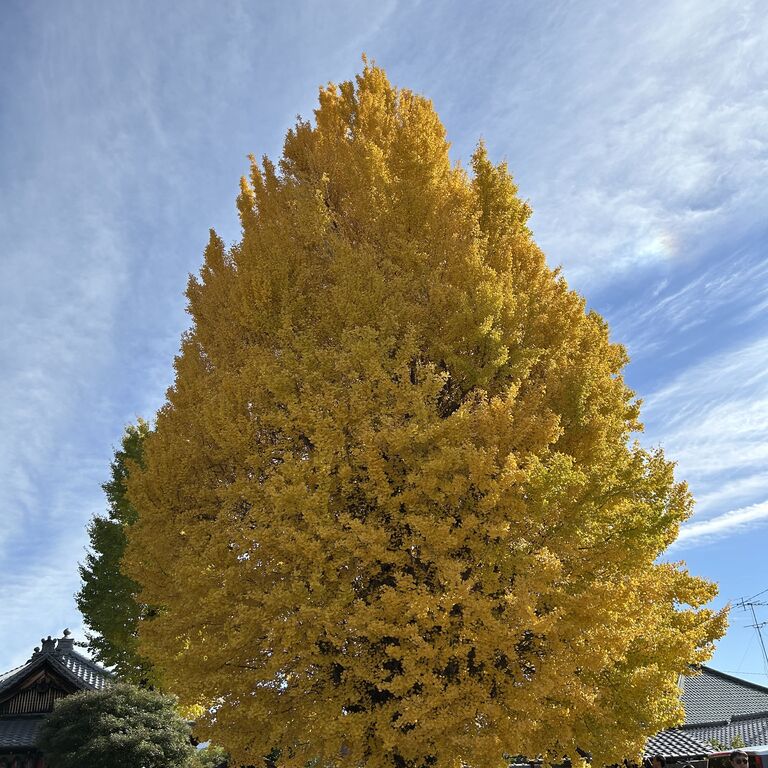
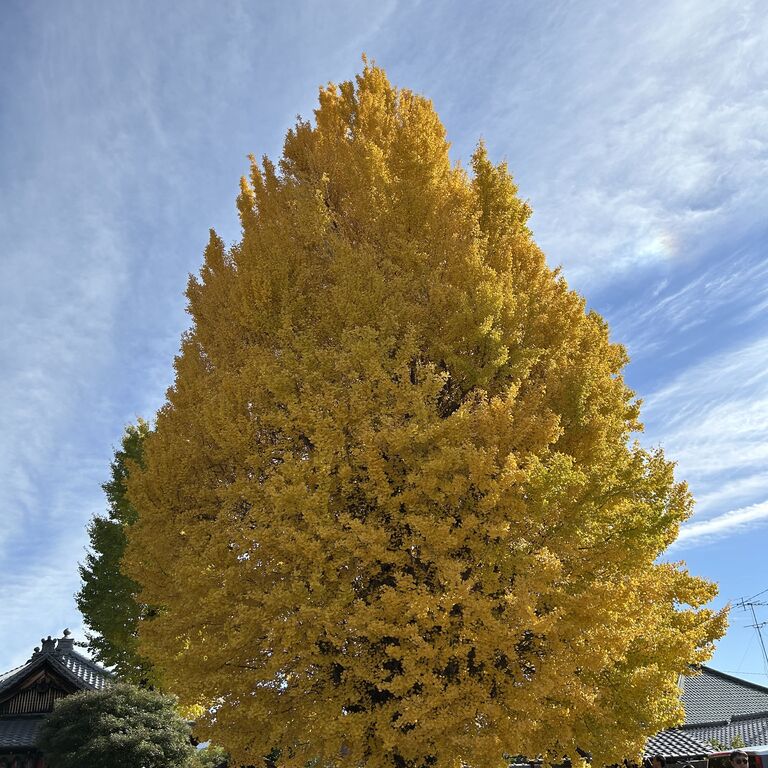
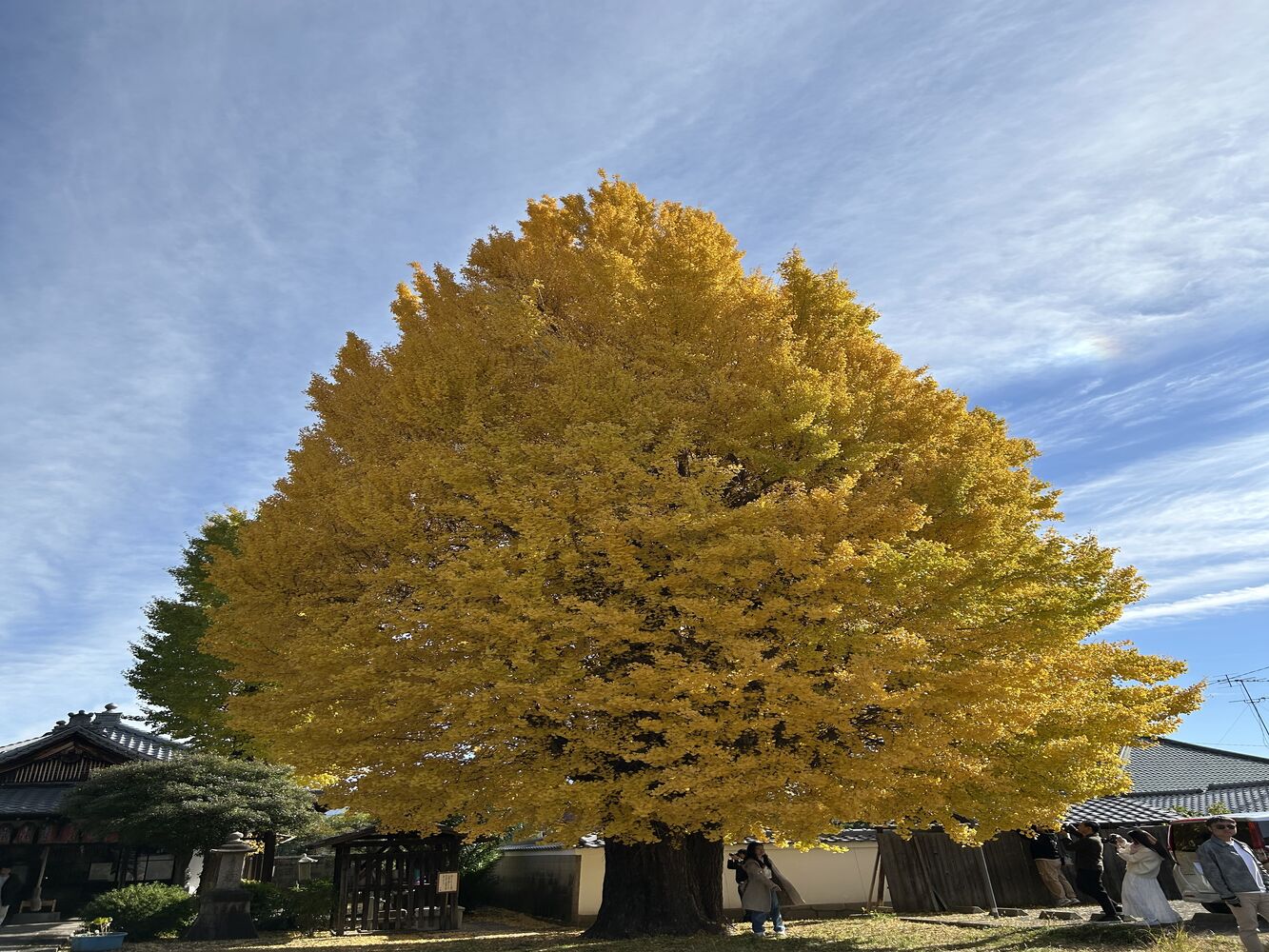
The leaves gradually turn shades of red, orange, and yellow, transforming temples, shrines, gardens, and quiet streets throughout the city.
The mornings and evenings also become noticeably cooler, and the atmosphere of summer has completely disappeared. You can begin to feel the arrival of winter in the crisp autumn air.
For Japanese cuisine, November is an especially interesting time of year.
The flavors of autumn are reaching their peak, while the first ingredients of winter are beginning to appear.
In other words, November is a season when the final flavors of autumn and the first tastes of winter can exist together in one meal.
If you are visiting Kyoto, especially the Nishijin and Imadegawa area, don’t just look for the beauty of autumn in the scenery. Take a moment to discover it through Japanese cuisine as well.
目次
1. Matsutake Mushrooms
Matsutake is one of Japan’s most celebrated autumn ingredients.
By November, depending on the year and the region, the season may be approaching its end. But its distinctive fragrance remains one of the most memorable aromas of autumn in Japanese cuisine.
Matsutake can be grilled, served in dobin-mushi—a delicate soup traditionally served in a small teapot—or cooked with rice.
Its aroma is just as important as its flavor.
Opening the lid of a dish and experiencing the fragrance rising from inside is part of the pleasure of eating matsutake.
2. Crab
As November arrives, winter seafood begins to make its presence felt.
Crab is one of the ingredients that immediately evokes the coming winter season in Japan.
Different varieties and regions offer different flavors and textures, from sweet, delicate meat to rich crab miso.
In Japanese cuisine, crab can be enjoyed in many ways, and its natural sweetness can be highlighted with simple preparation.
When crab begins appearing on a November menu, it is a subtle sign that winter is just around the corner.
3. Fugu
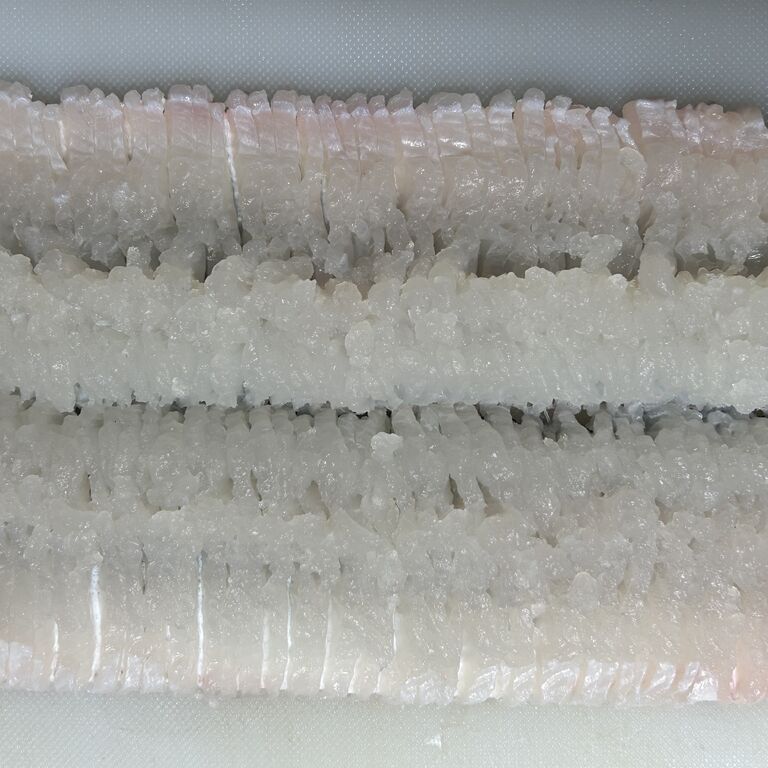
Fugu, or Japanese pufferfish, is another ingredient associated with the colder months.
It has a delicate, refined flavor and can be prepared in several ways, including sashimi, grilled dishes, and hot pot preparations.
Rather than relying on strong seasoning, Japanese cuisine often focuses on bringing out the subtle character of the fish itself.
As November gradually gives way to winter, fugu can become part of the changing seasonal landscape of Japanese cuisine.
4. Amadai — Kyoto’s “Guji”
Amadai, often called guji in Kyoto, is one of the fish strongly associated with Kyoto cuisine.
Its delicate flesh and elegant flavor make it suitable for grilling, steaming, and other refined preparations.
It also pairs beautifully with dashi and seasonal vegetables.
For those hoping to experience the character of Kyoto-style Japanese cuisine, guji is a fish worth discovering.
5. New Buckwheat — Shin-soba
Autumn is also the season for shin-soba, or newly harvested buckwheat.
Made from buckwheat harvested that year, shin-soba is appreciated for its fresh aroma and delicate flavor.
Soba can be served cold, but as the weather becomes cooler, warm soba with a fragrant dashi broth can be especially comforting.
It is another simple way to experience the transition from autumn into winter.
6. Lily Bulb — Yurine
Yurine, or lily bulb, is a delicate ingredient that comes into its own during the colder months.
It has a subtle sweetness and a soft, almost chestnut-like texture.
It can be steamed, incorporated into clear soups, or used in rice dishes.
It may not be as famous as matsutake or crab, but ingredients like yurine reveal another side of Japanese cuisine: the beauty of delicate, understated flavors.
7. Turnip
Turnips become increasingly appealing as the weather cools.
Soft, juicy, and naturally sweet, they can be simmered gently in dashi, used in clear soups, or incorporated into steamed dishes.
When prepared carefully, the natural sweetness of the turnip combines beautifully with the umami of dashi.
Simple vegetables such as turnips are an important part of seasonal Japanese cooking.
8. Ginkgo Nuts
Ginkgo nuts are one of the ingredients that visually capture the feeling of autumn.
Their beautiful jade-green color adds brightness to a seasonal dish and can be grilled, fried, or served in a clear soup.
Japanese cuisine often expresses the season not only through flavor, but also through color.
A single ginkgo nut can bring the feeling of autumn to an entire plate.
9. Taro
Taro is another ingredient enjoyed from autumn into winter.
Its smooth, slightly sticky texture and gentle flavor make it particularly well suited to dishes prepared with dashi.
Simmered dishes and clear soups are classic ways to enjoy it.
It may be a humble ingredient, but carefully prepared root vegetables can bring warmth and depth to a November meal.
10. Persimmon
Persimmon is one of the fruits that represents autumn in Japan.
It can of course be enjoyed on its own, but it can also be incorporated into Japanese dishes and desserts.
Its natural sweetness, beautiful color, and distinctive texture make it an elegant way to finish an autumn meal.
By November, enjoying seasonal fruit can feel like a final farewell to autumn.
Japanese cuisine has its own way of expressing the movement of the seasons.
Two important concepts are “nagori”, the lingering taste of a season that is coming to an end, and “hashiri”, the first appearance of an ingredient that is just beginning to come into season.
November is a wonderful time to experience both.
Matsutake, ginkgo nuts, and persimmons can evoke the final days of autumn, while crab, fugu, turnips, and lily bulbs begin to suggest the arrival of winter.
This transition is one of the things that makes seasonal Japanese cuisine so fascinating.
A single course can tell the story of the changing season.
For many visitors, November in Kyoto means autumn foliage.
And of course, walking through temples and gardens surrounded by red and golden leaves is one of the great pleasures of visiting Kyoto.
But there is another way to experience autumn.
The leaves scattered across a stone path.
The cool morning air.
Moss in the garden of a traditional machiya.
A warm cup of tea.
And a seasonal dish prepared with ingredients at their best.
Kyoto’s autumn is not something you only see.
It is something you can experience through all five senses.
Nishijin offers a different atmosphere from the more famous and glamorous streets of Gion.
This historic area is closely connected with Nishijin-ori textiles, traditional machiya houses, and the everyday culture of Kyoto.
The Imadegawa area also offers opportunities to discover historic architecture, temples, traditional culture, and quieter streets away from some of Kyoto’s busiest tourist destinations.
After visiting the city’s famous autumn foliage spots, why not slow down and explore a quieter side of Kyoto?
Walking through the neighborhood and discovering the details of everyday life can become one of the most memorable parts of a trip.
At Masumasu Masuda, our menu changes every month.
Rather than deciding on a fixed menu far in advance, we look carefully at the ingredients available at that particular time and build the course around them.
November is a beautiful meeting point between autumn and winter.
We look for ways to express both the lingering flavors of autumn and the first signs of winter, adapting each dish to the condition of the ingredients.
We also prepare our dashi according to each ingredient, choosing the preparation method that best brings out its natural character.
Vegetables play an important role throughout the course, and we aim to create Japanese cuisine that is delicate and deeply flavorful without leaving you feeling overly full.
In our quiet machiya in Nishijin, Kyoto, we hope you can take your time and experience the changing season through food.
November in Kyoto is beautiful not only because of the autumn leaves.
It is also a fascinating moment of transition, when autumn ingredients reach their final stage while the first flavors of winter begin to appear.
The exact timing of a season is never completely fixed.
Weather, temperature, and the condition of each ingredient can change from year to year. For a chef, that is part of what makes seasonal cooking so interesting.
This is also why an omakase meal can feel different every time you visit.
The menu reflects what is available at that moment.
When you visit Kyoto in November, take time not only to admire the autumn leaves, but also to taste the season.
In a quiet machiya in Kyoto’s Nishijin and Imadegawa area, the final flavors of autumn and the first taste of winter can become part of a memorable Kyoto experience.
ますます増田
住所:京都府京都市上京区旧大宮通中立売上る庇町187−1