懐石料理とは?料理人...
懐石料理とは?
「懐石料理」と聞くと、少し敷居が高く、特別...
15.Sep.2026
A Chef’s Guide to Japanese Kaiseki Cuisine in Kyoto
When you hear the word kaiseki, you may imagine an elegant and formal Japanese meal served on special occasions.
For some international visitors, kaiseki can seem mysterious at first. There are many dishes, each presented separately, and the ingredients and presentation change with the seasons.
But the essence of kaiseki is actually quite simple.
Kaiseki is a style of Japanese cuisine that celebrates the seasons, respects the natural flavors of ingredients, and brings together food, tableware, presentation, timing, and hospitality into one dining experience.
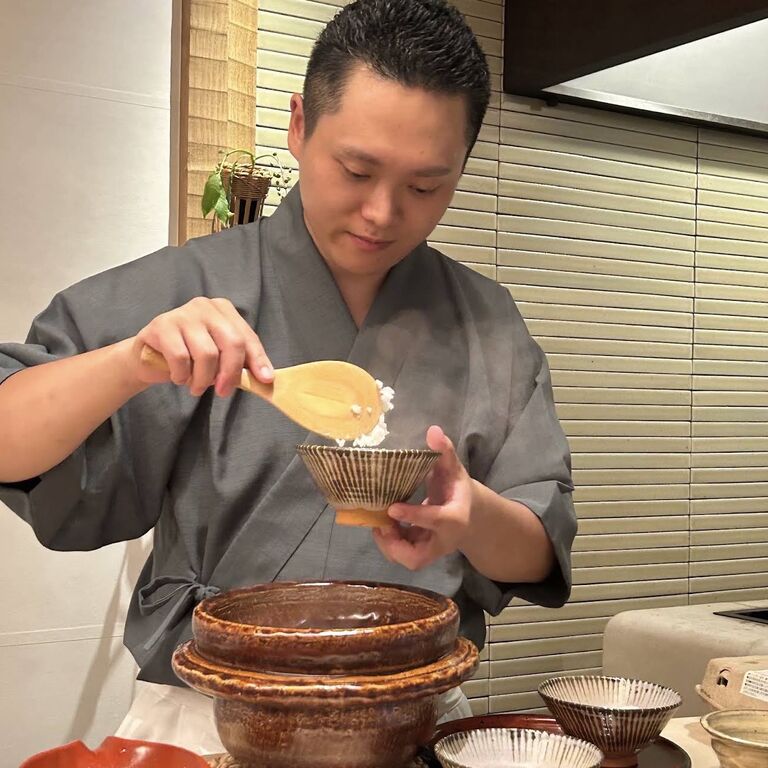
At Masumasu Masuda, a small kaiseki restaurant in Kyoto’s Nishijin, we believe that every dish should have a reason for being there.
目次
The word kaiseki (懐石) has deep roots in Japanese tea culture.
The characters can be understood as “holding a stone close to the body.” One traditional explanation connects the term to Zen monks who used warm stones held against their bodies to ease hunger.
In the world of tea, kaiseki developed as a light meal served before drinking matcha. The food was intended to prepare the guest to appreciate the tea more fully, rather than to overwhelm them with richness.
Over time, kaiseki developed into the sophisticated form of Japanese cuisine that many people experience today.
This history is important because it helps explain one of the central ideas behind kaiseki:
The purpose is not simply to serve luxurious food, but to create a balanced and thoughtful experience for the guest.
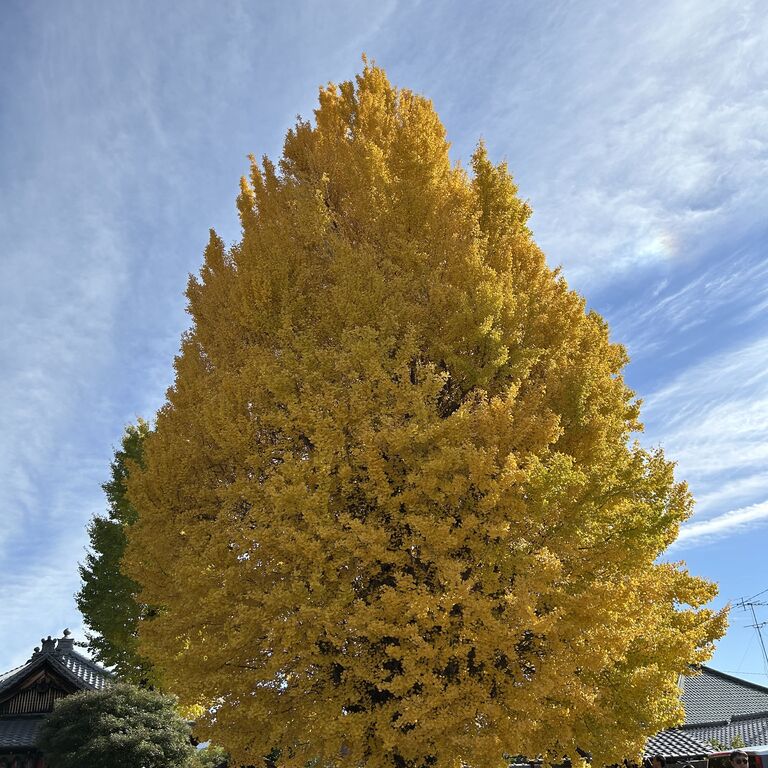
One of the defining characteristics of kaiseki is its strong connection to the seasons.
Japan has four distinct seasons, and the flavor, texture, aroma, and availability of ingredients change throughout the year.
Japanese cuisine therefore places great importance on using ingredients when they are at their best.
In spring, you may encounter bamboo shoots and mountain vegetables.
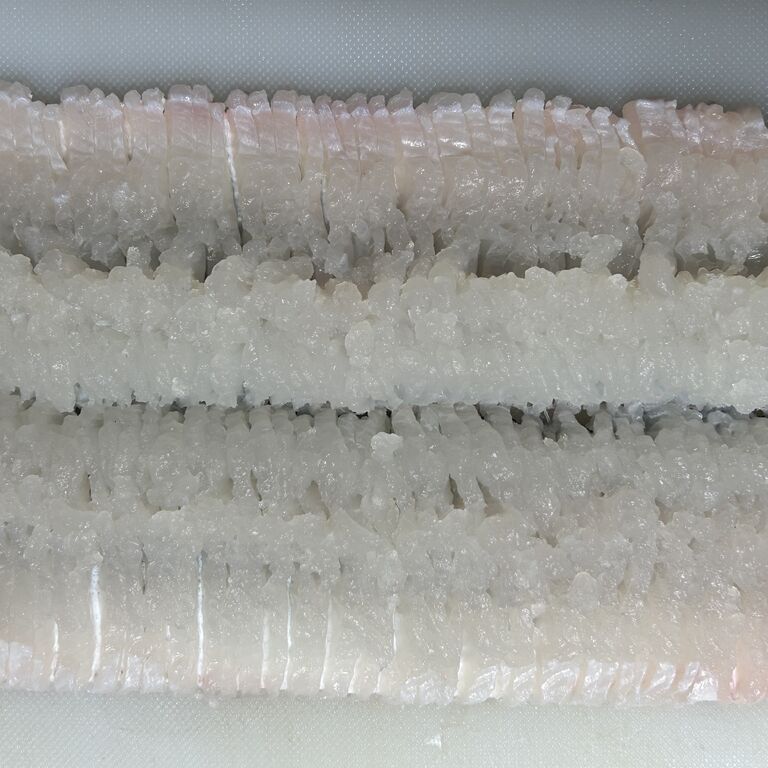
In summer, dishes may feature conger eel or sweetfish.
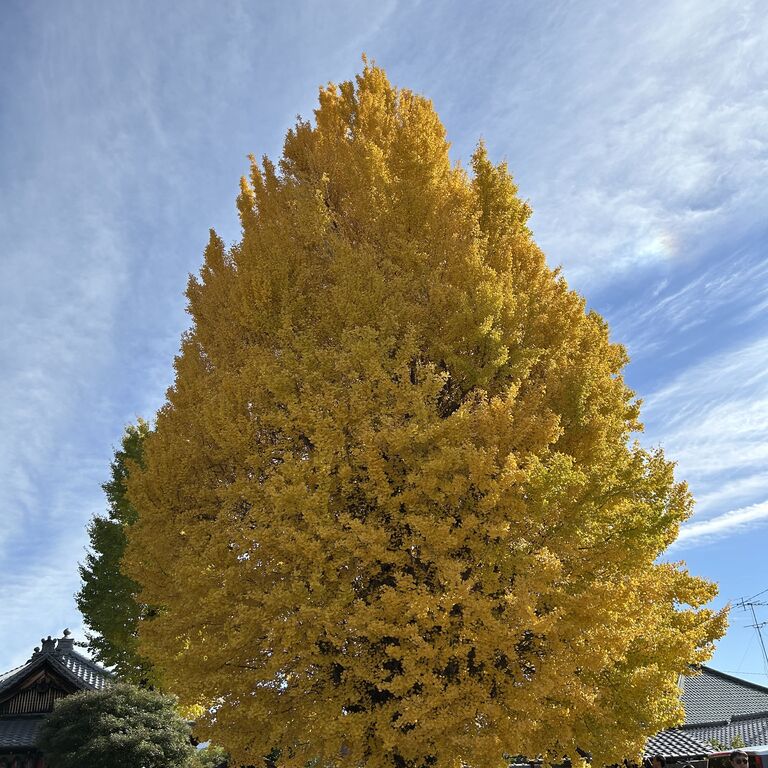
Autumn brings ingredients such as matsutake mushrooms and chestnuts.
Winter is a season for ingredients such as crab and fugu.
But seasonality is about much more than simply choosing seasonal ingredients.
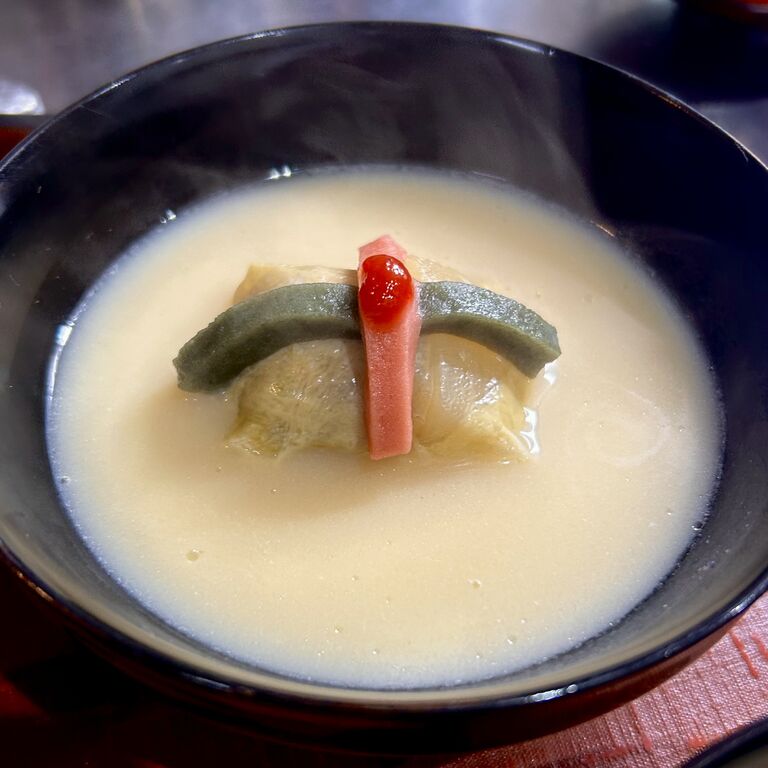
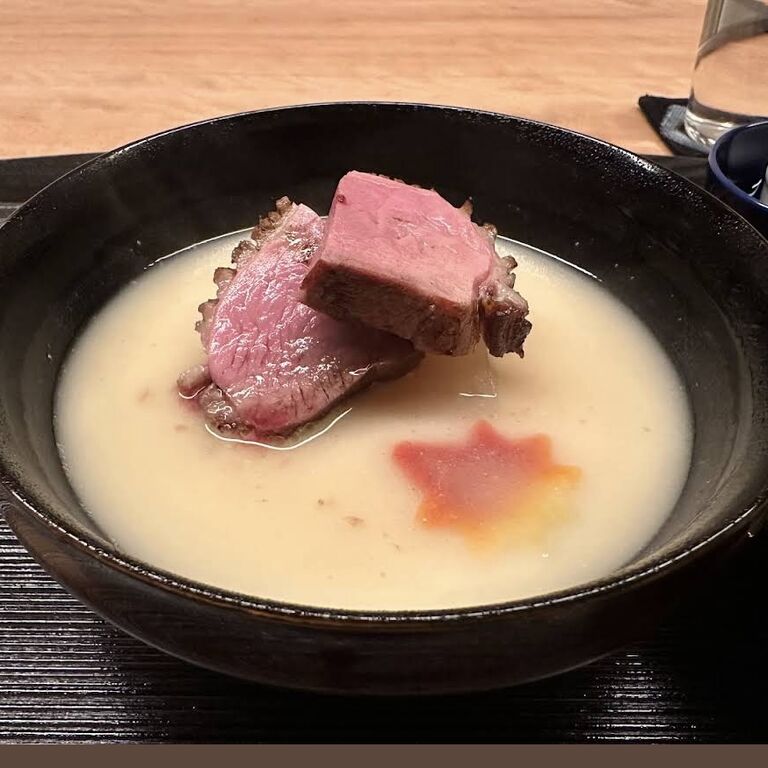
The tableware, colors, garnishes, temperature of the food, and even the way a dish is presented can all reflect the season.
For us, one of the greatest pleasures of kaiseki is expressing something that can only be experienced at that particular time of year.
Dashi, the traditional Japanese stock made from ingredients such as kombu and bonito flakes, is one of the foundations of Japanese cuisine.
Dashi does more than simply add umami.
It helps bring out the natural flavor of each ingredient and creates a connection between the different elements of a dish.
As a chef, I do not believe that every dish should necessarily use exactly the same dashi.
Different ingredients have different characteristics. The ideal strength, temperature, and combination of dashi can change depending on what we are preparing.
Our goal is to find the preparation that allows each ingredient to taste its best.
That is one of the things I consider essential to Japanese cooking.
One of the first things guests notice about kaiseki is that the dishes are usually served individually rather than all at once.
There is a reason for this.
Different dishes have different ideal temperatures, aromas, and textures.
A grilled dish is best enjoyed while its aroma is still rising from the plate.
A soup should arrive at the table at the right temperature, with its dashi warm and fragrant.
Tempura is best when it is freshly fried and its texture is at its peak.
Timing is therefore part of the cooking.
In kaiseki, when you eat something can be just as important as what you eat.
Serving each dish individually also allows guests to focus on the character of each preparation before moving naturally to the next.
In kaiseki, the plate or bowl is not simply a container for food.
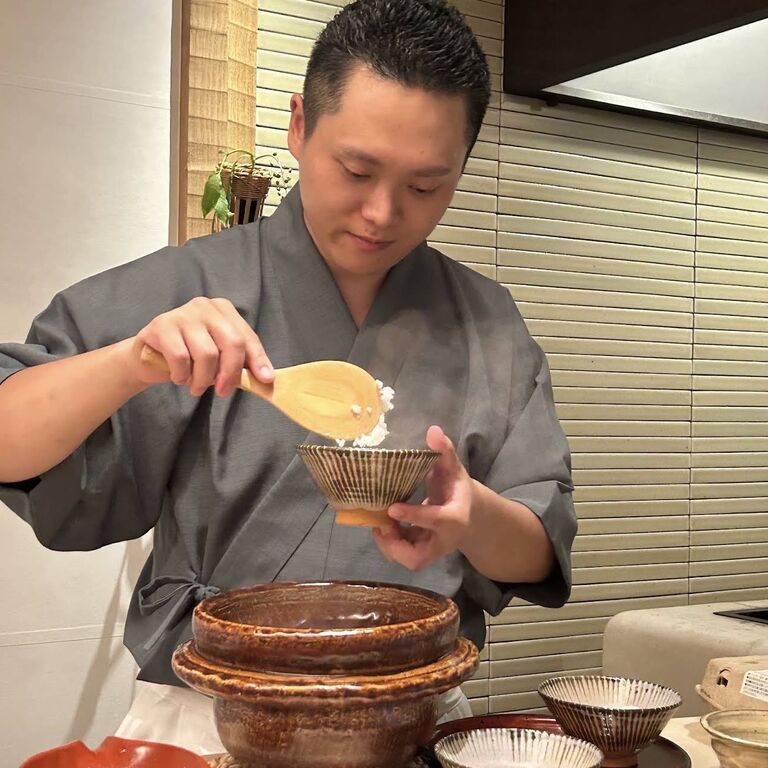
Tableware is carefully chosen to complement the dish and express the feeling of the season.
A vessel may feel light and refreshing in summer, while another may bring warmth and a sense of autumn or winter.
The shape, color, material, and texture of the tableware can all influence how a dish is perceived.
The goal is to create a complete scene in which the food and the vessel belong together.
This attention to detail is one of the distinctive aesthetic qualities of Japanese cuisine.
Kaiseki is also closely connected to the idea of omotenashi, or thoughtful Japanese hospitality.
Hospitality is not simply about being polite.
It means thinking about the guest and paying attention to the details that make the experience comfortable and meaningful.
The weather that day.
The season.
The pace at which guests are eating.
Their reactions to each dish.
In a counter-style restaurant, the chef is close enough to notice these small details.
At Masumasu Masuda, we value this connection between the kitchen and the guest.
Rather than simply following a fixed sequence without regard to the people sitting in front of us, we want the entire evening to feel natural and comfortable.
The word “kaiseki” is sometimes associated with expensive restaurants, formal settings, and complicated etiquette.
There are certainly luxurious kaiseki restaurants that use rare ingredients and highly refined techniques.
However, kaiseki is not defined simply by how expensive the ingredients are.
What matters is how the ingredients are understood and prepared, how the season is expressed, and how the meal is presented to the guest.
Using expensive ingredients does not automatically make a better kaiseki meal.
For me, the work of a chef is to understand an ingredient, bring out its best qualities, and create a dish that feels right for that particular season and moment.
Kyoto has been shaped by centuries of tea culture, Japanese cuisine, traditional architecture, and craftsmanship.
These traditions can still be felt throughout the city today.
That is why experiencing kaiseki in Kyoto can be about much more than the food itself.
You may notice the seasonal ingredients.
You may appreciate the tableware.
You may dine inside a traditional machiya townhouse.
You may have a conversation with the chef.
And you may discover something about Japanese culture that you would not experience simply by visiting a tourist attraction.
In Kyoto’s Nishijin and Imadegawa area, you can also experience a quieter side of the city, away from some of Kyoto’s busiest tourist areas.
At Masumasu Masuda, we serve a monthly omakase course from our traditional machiya in Nishijin, Kyoto.
We select seasonal ingredients from Kyoto and throughout Japan, while also incorporating ingredients from Tochigi, the home of the chef.
The menu changes every month according to what is at its best.
Depending on the season and the overall composition of the course, dishes may include sushi, tempura, wagyu beef, soup, and other seasonal preparations.
Each dish is designed not only to stand on its own, but also to connect naturally with the dishes that come before and after it.
Our aim is not simply for guests to finish the meal thinking, “That was delicious.”
We hope they leave thinking:
“I would like to experience this again when the season changes.”
That is the kind of kaiseki cuisine I want to create.
I strive to create what I believe is beautiful flavor—simply, deliciously.
Kaiseki brings together many elements of Japanese culture:
seasonal ingredients, dashi, cooking techniques, tableware, presentation, timing, atmosphere, and hospitality.
Together, they create an experience that cannot be reduced to any single dish.
If you are trying kaiseki for the first time, there is no need to feel intimidated.
Simply enjoy the food.
Notice the season.
Take a moment to look at the tableware.
And enjoy the experience of each dish as it arrives.
If your visit to Kyoto brings you to Nishijin and the Imadegawa area, we hope that a meal at Masumasu Masuda can become more than simply dinner.
We hope it becomes an opportunity to experience a little of the beauty of Japanese seasons, cuisine, and culture.
ますます増田
住所:京都府京都市上京区旧大宮通中立売上る庇町187−1