If you have been researching Japanese cuisine, you may have come across two similar-sounding words:
Kaiseki (懐石) and Kaiseki (会席).
They are pronounced almost identically in Japanese, but they have different historical origins and meanings.
For visitors to Kyoto, the distinction can be confusing, especially because modern Japanese restaurants sometimes use these terms in overlapping ways.
Here is a simple explanation from a chef’s perspective.
目次
What Is Kaiseki (懐石)?
The word kaiseki (懐石) has its roots in Japanese tea culture.
Originally, it referred to a meal served before drinking matcha in a tea gathering.
The purpose was not simply to provide a luxurious meal, but to gently satisfy the guest’s hunger and prepare them to fully appreciate the tea that followed.
This is why traditional kaiseki places great importance on:
- Seasonality
- The natural flavors of ingredients
- Dashi
- Balance between dishes
- Tableware
- Presentation
- Timing
- Hospitality
Rather than focusing only on expensive ingredients, the meal is designed as a complete experience.
What Is Kaiseki (会席)?
Kaiseki (会席) developed from a different tradition: gatherings and banquets where people enjoyed food and sake together.
The emphasis was therefore more closely connected to enjoying a meal alongside drinks and socializing.
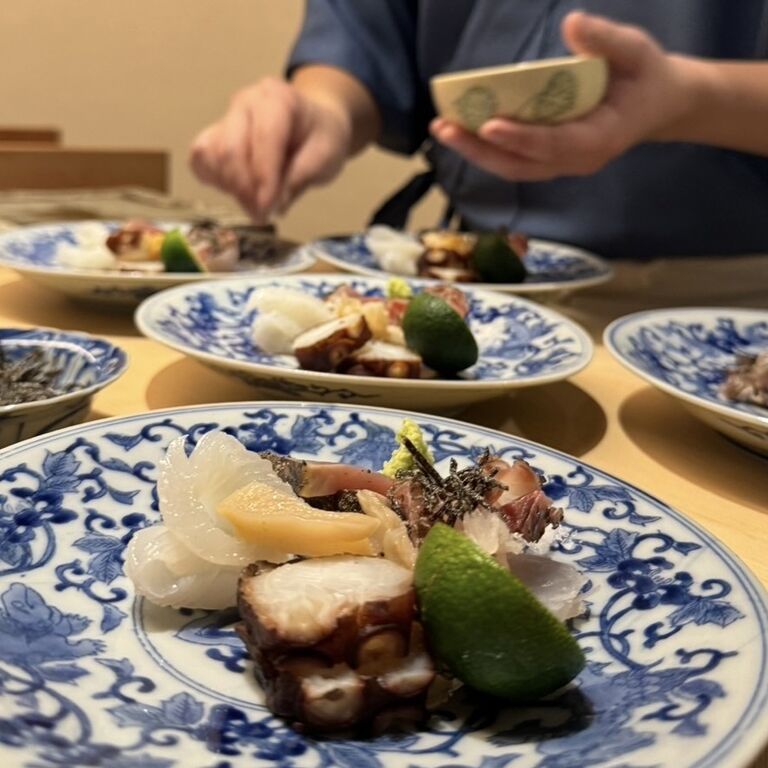
A modern Japanese course meal may include dishes such as:
- A small seasonal appetizer
- Sashimi
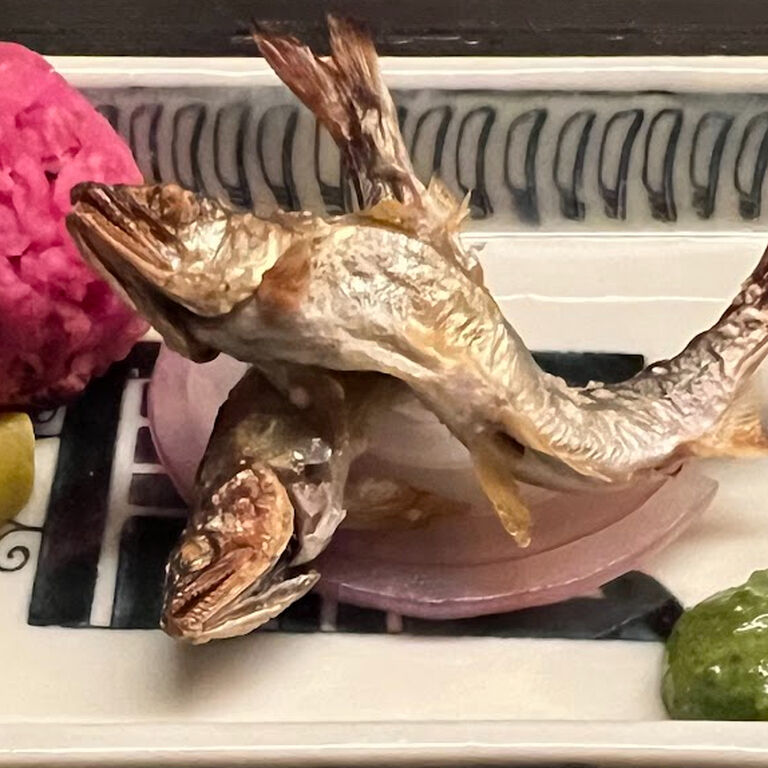
- Grilled dishes
- Simmered dishes
- Tempura
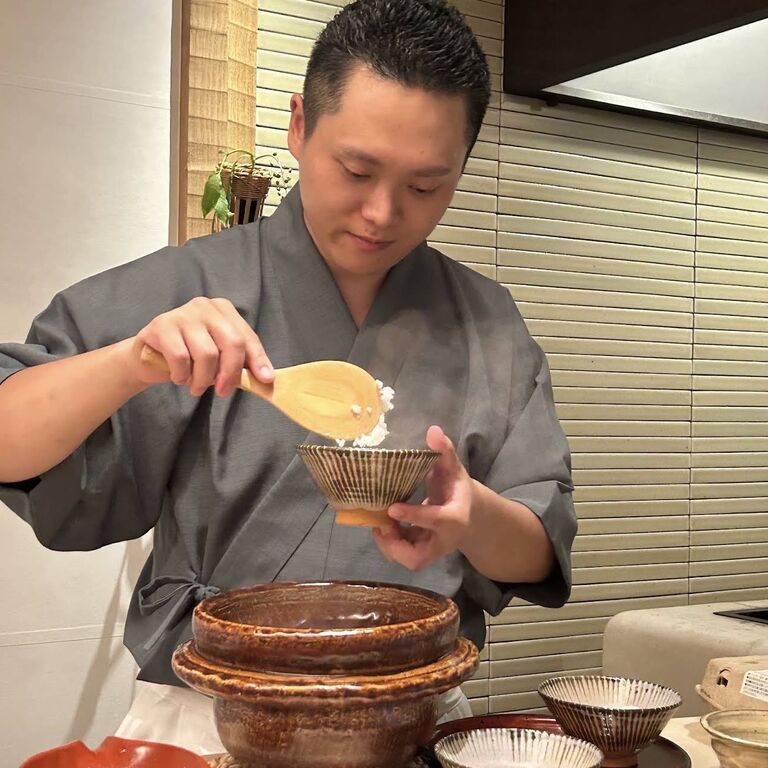
- Rice
- Soup
- Dessert
The exact structure varies from restaurant to restaurant.
Today, the term kaiseki (会席) is often used for Japanese multi-course dining at restaurants, ryotei, and other traditional establishments.
The Difference Between Kaiseki (懐石) and Kaiseki (会席)
The simplest way to understand the difference is this:
Kaiseki (懐石)
- Originated from the culture of the Japanese tea ceremony
- Was traditionally served before tea
- Emphasizes harmony, seasonality, and balance
- Has a strong connection to tea culture
Kaiseki (会席)
- Developed from banquets and social gatherings
- Was traditionally enjoyed with sake
- Focuses on enjoying a sequence of dishes and drinks
- Is commonly used today to describe Japanese multi-course cuisine
However, there is an important point to remember.
In modern Japan, the distinction between the two is not always clear.
Restaurants may use the terms differently, and the actual dishes served can overlap considerably.
Why Are They Both Pronounced “Kaiseki”?
This is one reason the two types of cuisine can be confusing.
The Japanese pronunciation is almost the same, but the kanji are different:
懐石(かいせき)
and
会席(かいせき)
The first is associated with tea culture, while the second refers to a gathering or banquet setting.
For international visitors, both may simply appear as “kaiseki” when written in English.
The meaning therefore depends on the context.
Is Kaiseki More Expensive Than Japanese Course Cuisine?
Not necessarily.
It is sometimes assumed that kaiseki (懐石) must be more expensive or formal than kaiseki (会席), but the name alone does not determine the price or quality of a restaurant.
Both can range from relatively casual dining to highly refined and luxurious experiences.
What matters more is:
- The quality of the ingredients
- The chef’s approach to cooking
- The use of seasonal ingredients
- The quality of the dashi
- Cooking techniques
- Tableware and presentation
- Hospitality and atmosphere
A restaurant does not become better simply because it uses expensive ingredients.
For us, the important question is always:
How can we make each ingredient taste its best?
How Are the Actual Dishes Different?
Interestingly, the dishes themselves can be very similar.
Both styles may include sashimi, grilled fish, simmered vegetables, tempura, rice, and soup.
This means that simply looking at a plate does not always tell you whether a meal is “kaiseki” or “kaiseki.”
The difference is better understood by looking at the purpose, history, and philosophy behind the meal.
This is also why the terminology can sometimes feel confusing even to Japanese diners.
What About Cha-Kaiseki?
There is another term you may encounter:
Cha-kaiseki (茶懐石).
Cha-kaiseki is the meal specifically associated with the Japanese tea ceremony.
It is served as part of a tea gathering and is designed to prepare the guest for the tea that follows.
Modern kaiseki cuisine has developed over time from various Japanese culinary traditions, including the culture of tea.
So while cha-kaiseki is an important historical foundation for understanding kaiseki, the kaiseki experience at a modern Japanese restaurant can be much broader.
A Chef’s Perspective on Kaiseki
One of the things I find most interesting about kaiseki is that the meal is more than a collection of individual dishes.
Each dish has a relationship with what comes before and what comes after it.
For example, after a rich dish, we may want to serve something lighter.
After a cold preparation, a warm dish can create a different sense of comfort.
The temperature, flavor, texture, and timing of each dish all influence the experience of the entire meal.
This is why creating a kaiseki menu is not simply a matter of deciding which dishes taste good individually.
It is about considering how they work together as a complete course.
Kaiseki at Masumasu Masuda
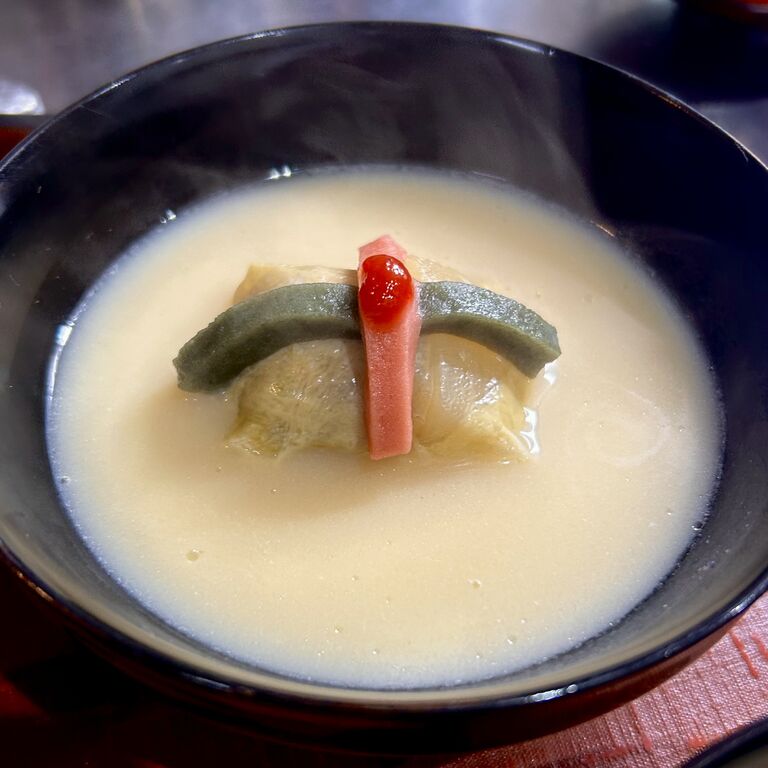
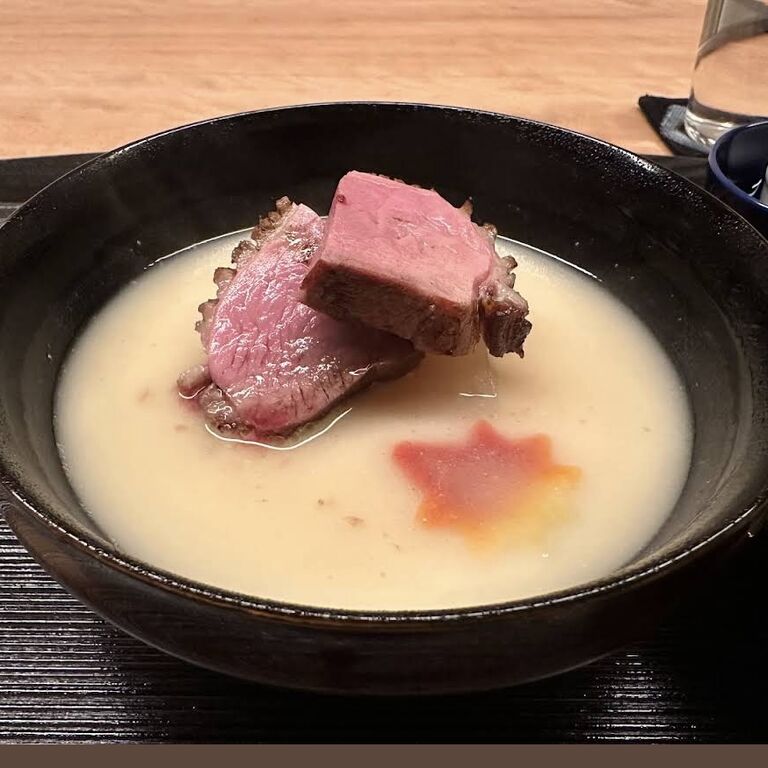
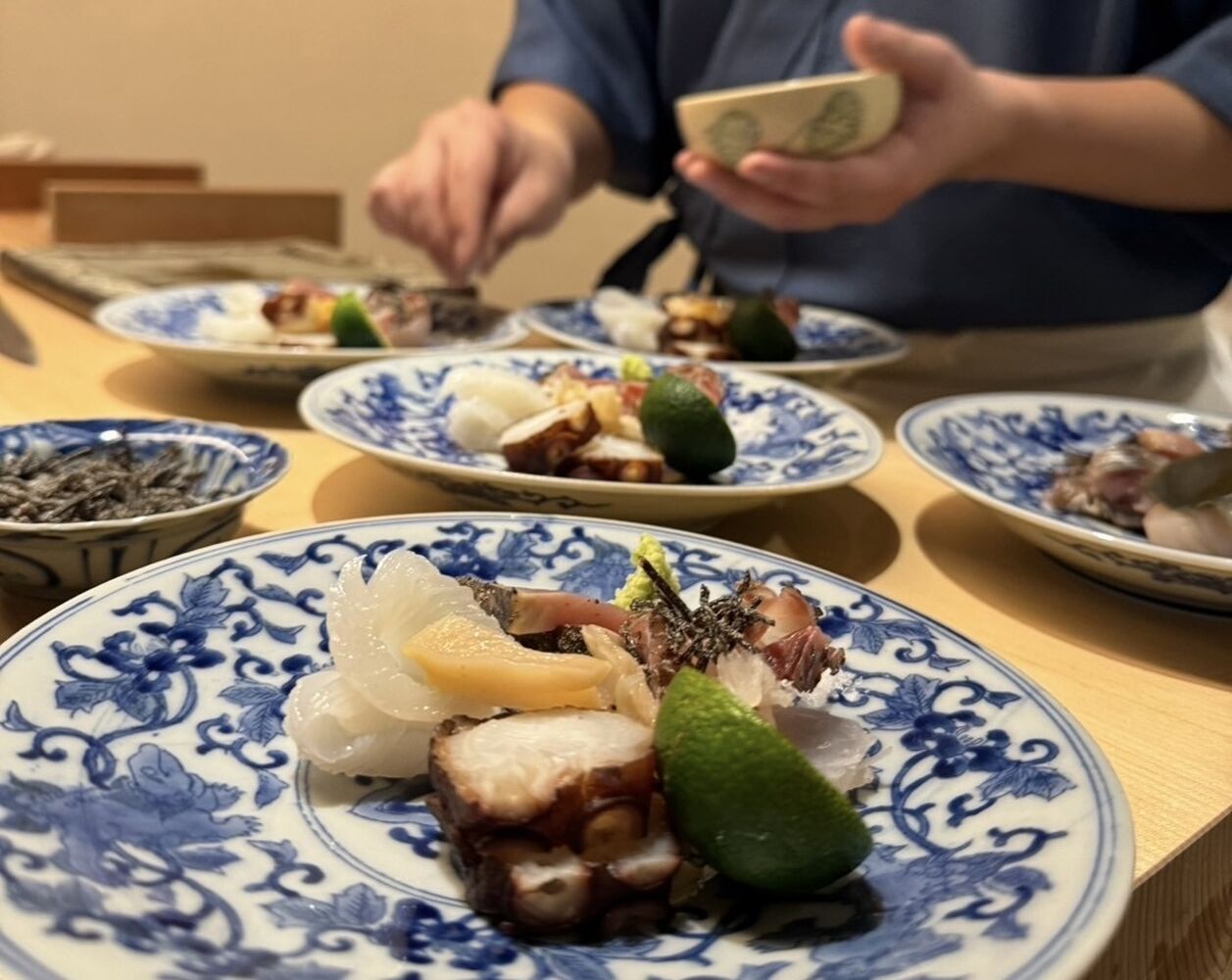
At Masumasu Masuda, in Kyoto’s Nishijin and Imadegawa area, we serve a monthly omakase course inspired by the seasons.
We select ingredients from Kyoto and throughout Japan, while also incorporating ingredients from Tochigi, the chef’s hometown.
The menu changes every month according to the season and the ingredients available at their best.
Depending on the menu, guests may enjoy sushi, tempura, wagyu beef, soup, and other seasonal Japanese dishes within the same course.
Rather than simply placing a series of dishes in front of our guests, we consider how each dish connects to the next.
The dashi, cooking method, temperature, tableware, and timing are all considered as part of the experience.
For us, this is one of the pleasures of kaiseki.
You Don’t Need to Worry About the Difference
The historical distinction between the two terms can be summarized simply:
懐石(Kaiseki)
A cuisine rooted in the Japanese tea ceremony.
会席(Kaiseki)
A cuisine that developed around banquets, gatherings, and enjoying food with sake.
But in modern Japan, the two terms can overlap, and restaurants may use them differently.
So if you are visiting Kyoto, you do not need to worry too much about the terminology.
Instead, look at the restaurant’s ingredients, cooking philosophy, seasonal approach, atmosphere, and hospitality.
When you sit down to a Japanese course meal, take your time and enjoy each dish as it arrives.
In Kyoto’s Nishijin and Imadegawa area, we hope you will discover not only the flavors of Japanese cuisine, but also the seasons, craftsmanship, and culture behind them.
ますます増田
住所:京都府京都市上京区旧大宮通中立売上る庇町187−1
NEW
-
16.Sep.2026
-
懐石料理と会席料理の...「懐石料理」と「会席料理」。 どちらも日本料理店でよく耳に...16.Sep.2026
-
懐石料理とは?料理人...懐石料理とは? 「懐石料理」と聞くと、少し敷居が高く、特別...15.Sep.2026
-
What Is Kaiseki?A Chef’s Guide to Japanese Kaiseki Cuisine in Kyoto When ...15.Sep.2026
-
Why Japanese Cuisine ...What Will You Eat in Kyoto This December? December in Ky...14.Sep.2026
-
12月の京都は和食がお...12月の京都で、どんな食事を楽しみますか? 12月の京都は、...14.Sep.2026
-
11月の京都で味わいた...11月の京都は、秋の美しさが深まる季節 11月の京都は、一年の...13.Sep.2026
-
What to Eat in Kyoto ...November in Kyoto: When Autumn Deepens and Winter Begins ...13.Sep.2026